
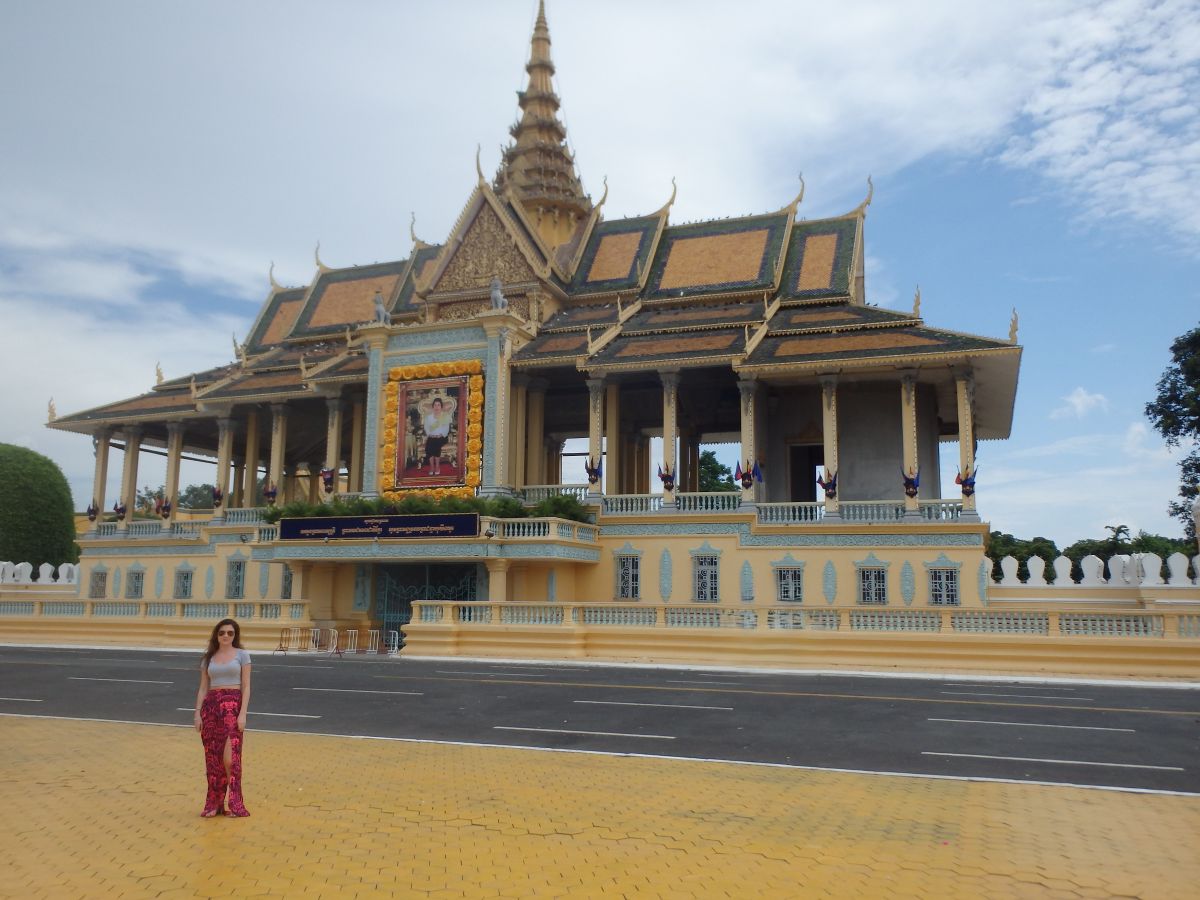
Cambodia seems to be one of those countries that tourists stop over in for a few days before moving on to neighboring Thailand or Vietnam. Which is a shame, because Cambodia is such a hidden gem.
I’d already spent months bouncing around Southeast Asia, island-hopping in Thailand, wandering the chaotic streets of Vietnam, and being wowed by the natural beauty of Laos. Still, Cambodia felt different from the moment I arrived. And I suppose it’s hard to describe Cambodia’s magic through words. You really need to experience it to get it!
Cambodia combines mystical ancient temples, a very dark and sad recent history, and quiet, golden sand beaches. Sunrise at Angkor Wat is as magical as everyone says it is, and as you wander through local villages, you’ll spot children playing beside rice fields and couples lazing on the riverfront. And it’s witnessing exactly these kinds of local, authentic moments that make me fall even more in love with traveling.
Every time I leave Cambodia, I am already working out when I can return.
Below I’ve listed what I believe to be the must-see sights in Cambodia – I’ve personally visited them all, so I can vouch they’re all epic and well worth adding to your Cambodia itinerary.
Planning Your Cambodia Trip
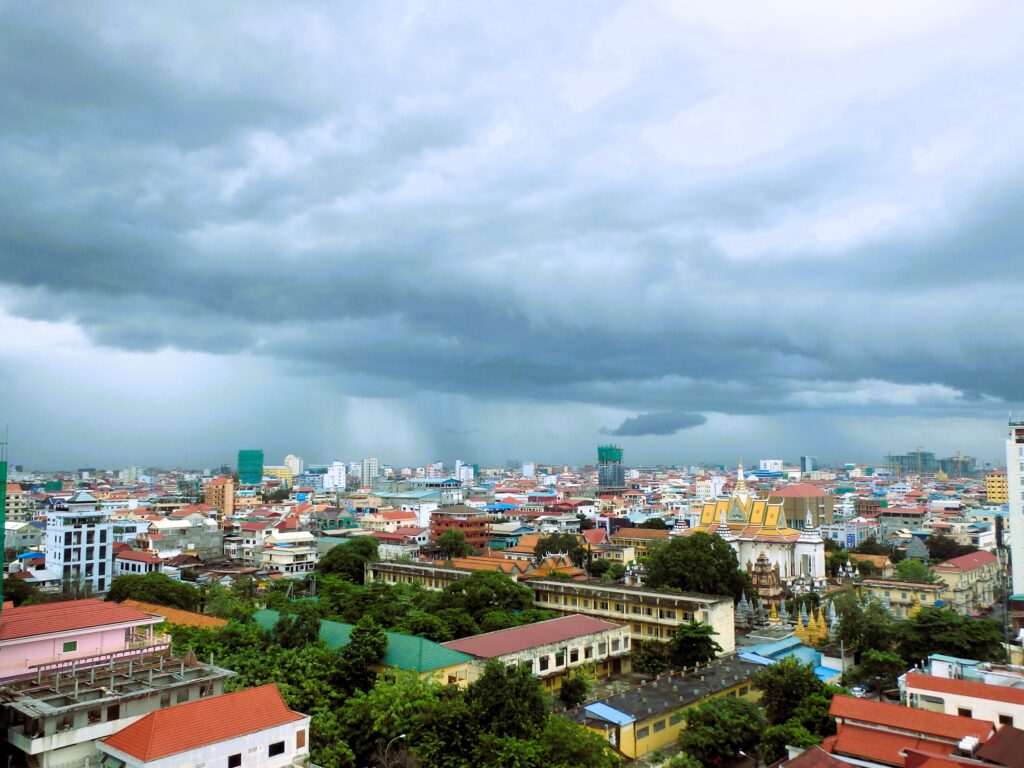
Getting to Cambodia –
Most people come into Cambodia by plane; there are two international airports here – Phnom Penh International Airport and Siem Reap International Airport. Both airports are well-connected with direct flights from major cities in Asia, including Bangkok, Singapore, and Hanoi. For travelers already in Southeast Asia, overland routes are also an option, with buses and trains available from neighboring countries such as Thailand, Vietnam, and Laos.
Visa requirements –
Most visitors will need a visa to enter Cambodia. Tourist visas can often be obtained on arrival or with an e-visa.
My tips before visiting Cambodia –
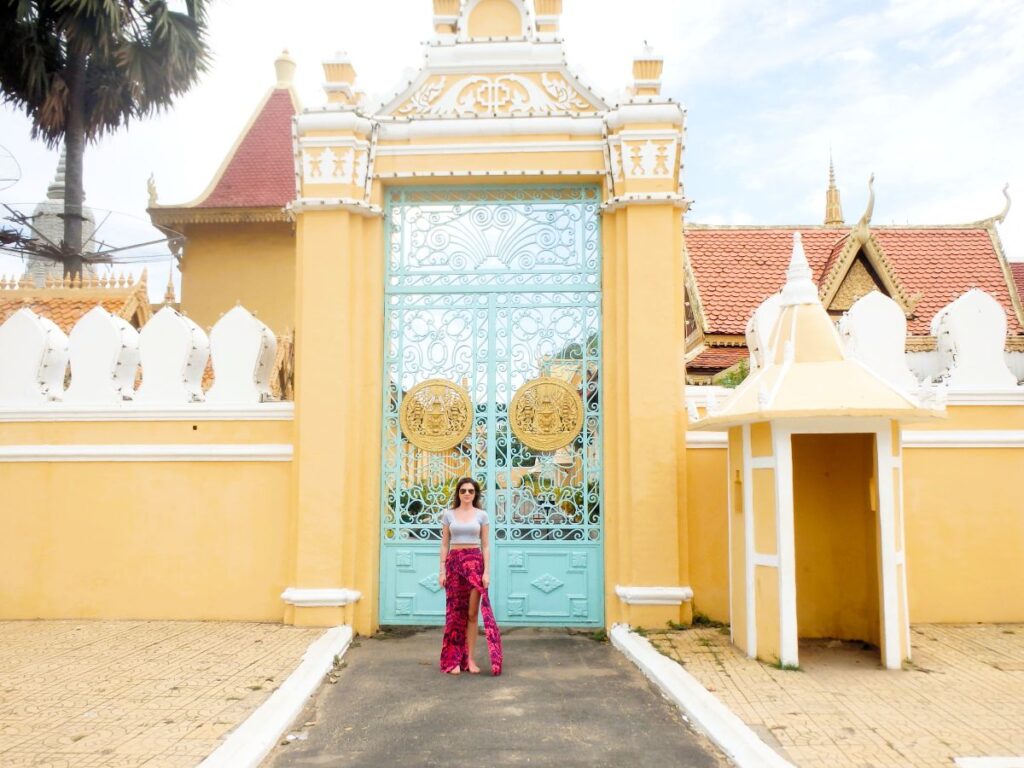
We met so many travelers who spent weeks poring over maps and routes and little pieces of Khmer history before they set foot in Cambodia. I must admit that we did, too. Cambodia definitely inspires you to study its past, learn how it was formed, and how it has been shaped into its present-day identity. I’ve even met students researching Angkor for assignments while here, and some mentioned using an online essay writing service to help them organize their notes while they were on the road.
So, spending a little time before you go understanding Cambodia’s traditions, festivals, and regional differences will add a whole new layer to your experience. Even small things, from knowing how to greet someone to recognizing local dishes, will make you feel more connected to Cambodia.
Best Sights to See in Cambodia
1. Angkor Wat
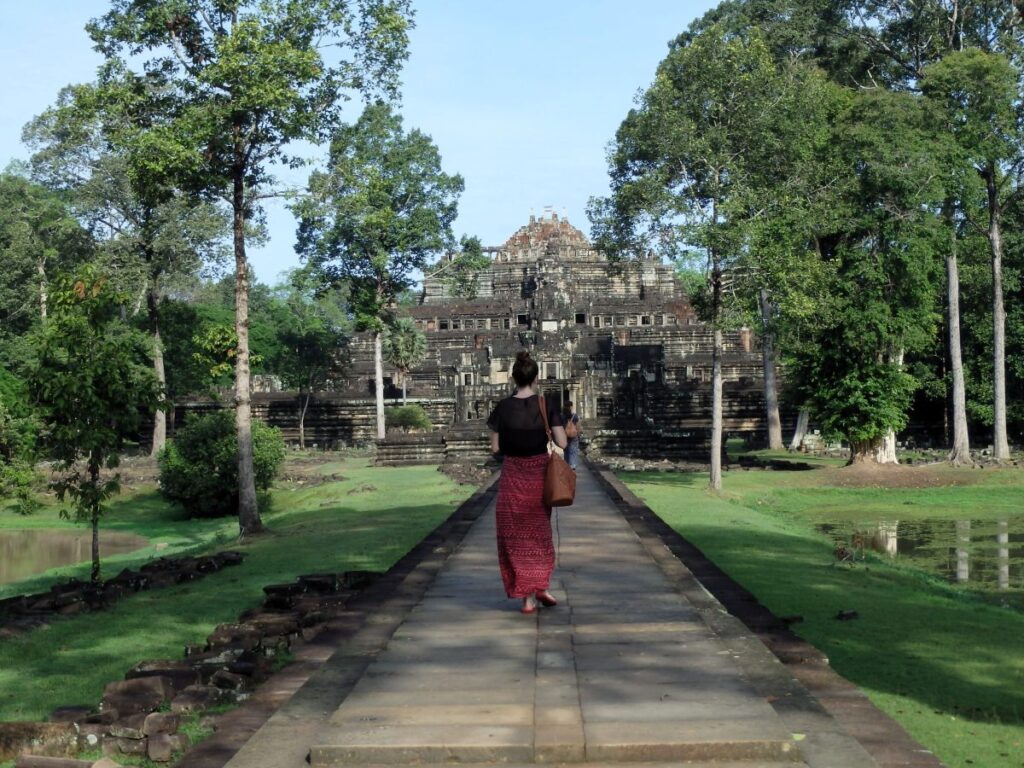
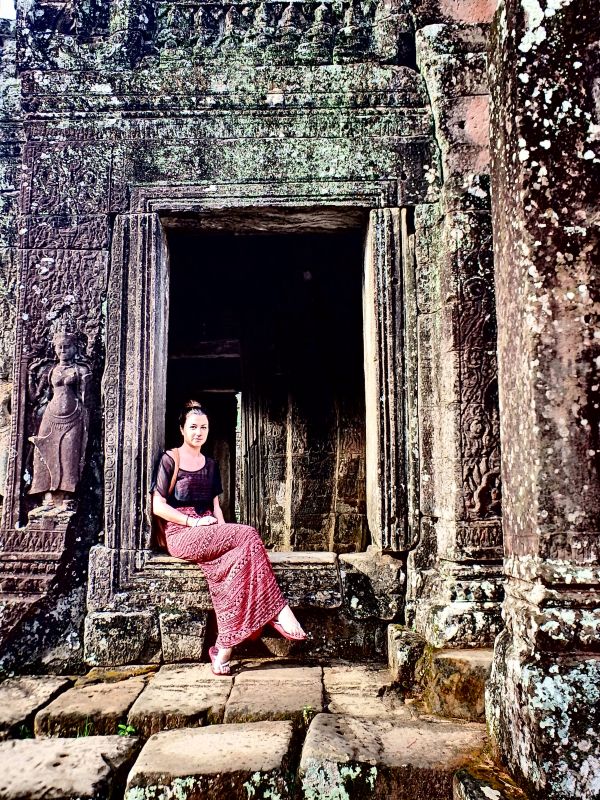
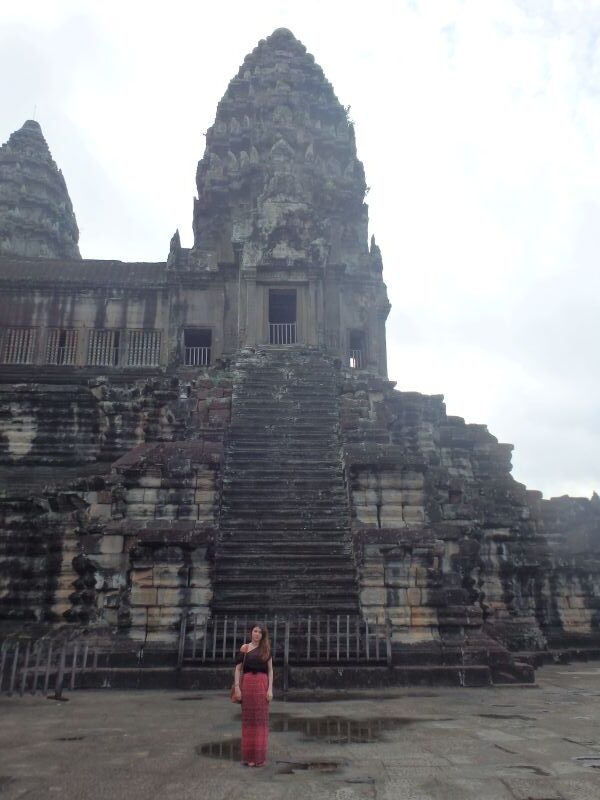
It doesn’t matter how many temples you’ve seen before. Angkor Wat hits differently. Every time I walk through its gates, I’m reminded of why it’s the symbol of Cambodia and the highlight for so many travelers. The sheer size of the complex, its quiet corners, and the sense of stepping back in time make it unforgettable.
Why visit Angkor Wat
Angkor Wat in Siem Reap is not only the largest religious monument in the world, but it is also one of the best-preserved. The symmetry, the carvings, and the long corridors create an atmosphere that feels almost otherworldly. Exploring the temple at your own pace allows you to appreciate the advanced and artistic nature of the Khmer Empire.
Best time to go to Angkor Wat
The sun rises, casting light first on the towers and then across an extraordinary morning landscape. For overall comfort, December to February is ideal, though the shoulder months offer fewer crowds. Arriving early or visiting later in the afternoon helps avoid the midday heat and the crowds of tour groups.
Best guided tour of Angkor Wat
We booked a sunrise guided tour that collected us from our accommodation in Siem Reap and brought us to Angkor Park. It was a small group tour (around 10 other people were in our group), and our guide was so friendly and knowledgeable. Overall, it was a very personalized experience, which we love. It costs just $15 USD per person.
2. Bayon Temple
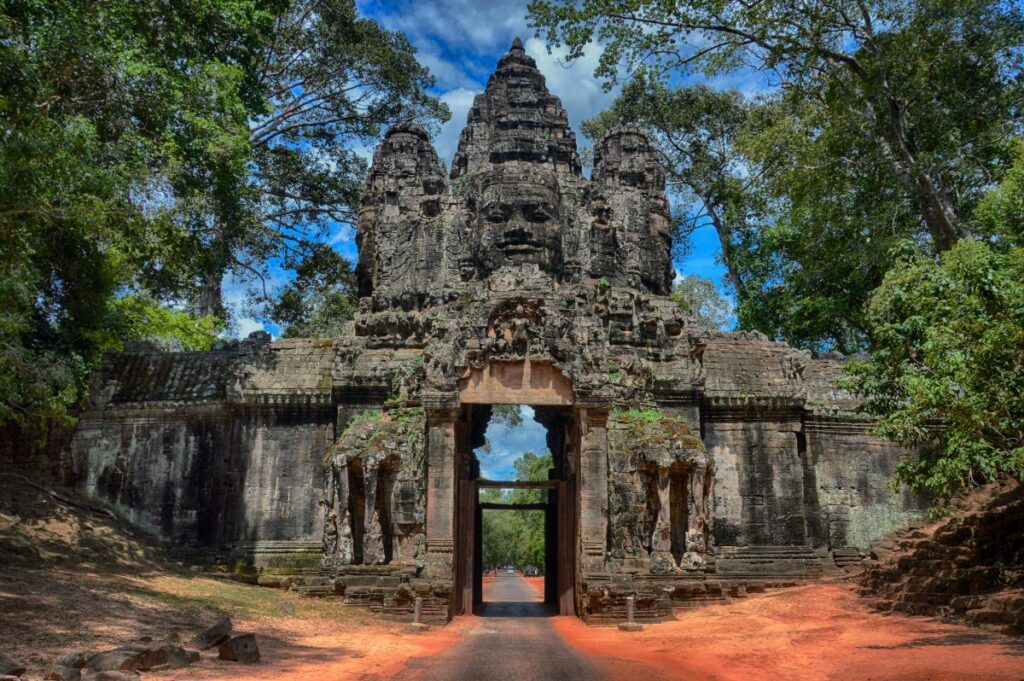
Bayon is one of those places that immediately grabs your attention. It’s part of the massive Angkor complex in Siem Reap (that’s also home to Angkor Wat). The moment I stepped inside, I felt surrounded, almost as if I were being watched, by its famous stone faces. It’s smaller than Angkor Wat, but this intimacy in its mysterious darkness makes it equally memorable.
What makes Bayon Temple unique
Bayon is known for its serene giant faces. Dozens of them look out from all directions and seem to materialize wherever one turns. With its labyrinth-esque plan, narrow corridors, and richly carved bas-reliefs, the temple is more like an ancient riddle than a conventional structure.
Tips for visiting Bayon Temple
Arrive at Bayon either very early in the morning or a little after 4 pm, when most tour groups have departed. Wear footwear with a good grip, as the stones are slippery, and take your time navigating the lower galleries before making your way upstairs for a close look at the faces. Visits to Baphuon and the Terrace of Elephants can easily be combined with this trip since they’re all within walking distance from each other.
3. Ta Prohm
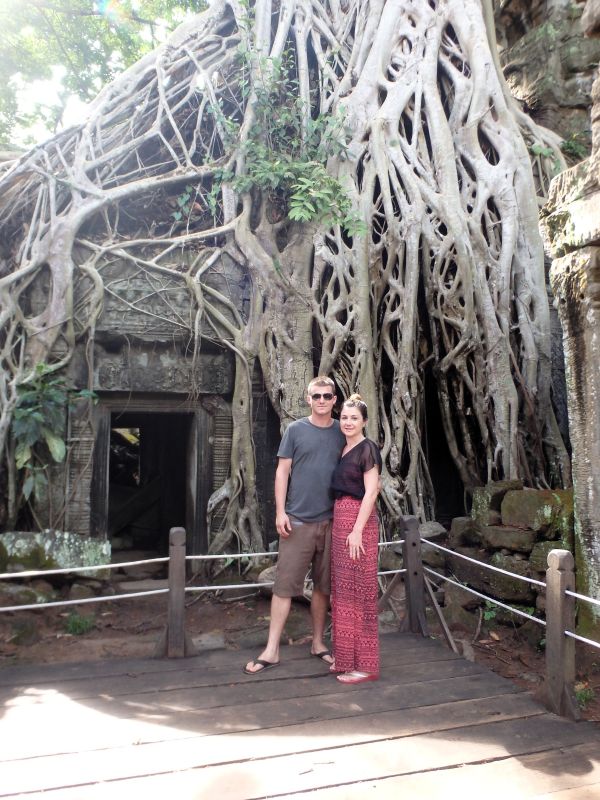
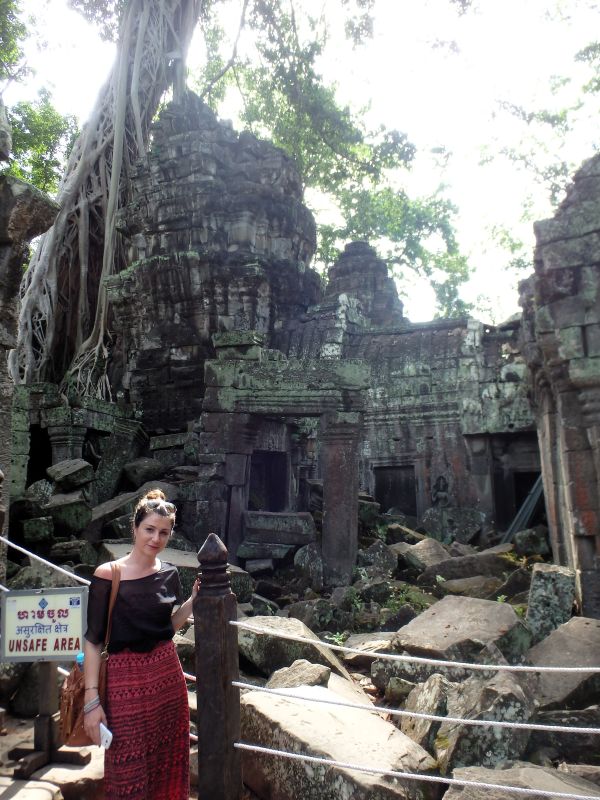
Ta Prohm is one of my favorite temples at Angkor, and the first time I visited, I felt as if I had walked onto the set of an adventure movie. Interestingly, Tomb Raider (starring Angelina Jolie) was filmed here. It is wild, dramatic, and partially taken over by the jungle; it emanates an energy different from all the other temples here, I think.
The famous tree roots
The real stars at Ta Prohm are the iconic strangler figs and silk-cotton trees. Their giant roots spill over the stone walls, twisting through doorways and wrapping around towers to create scenes you honestly won’t find anywhere else in Angkor. Sunlight filtering down through the branches completes the temple’s spooky aesthetic.
This temple is a photographer’s dream, with every corner offering yet another perfect shot waiting to happen.
How to avoid the crowds
Ta Prohm opens at 7 am, and the best time to visit is exactly then, as the temple becomes crowded as soon as mid-morning approaches. I recommend coming here right after sunrise at Angkor Wat, before the large groups arrive. Another good window to visit is late in the afternoon when the day tours have started exiting the park.
4. Banteay Srei
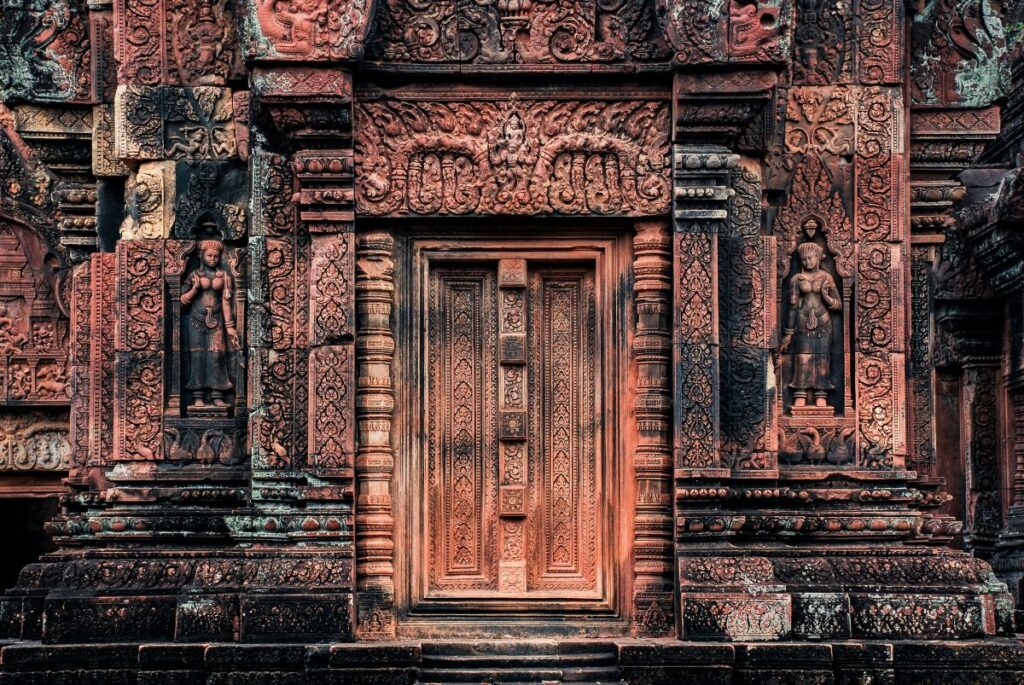
Banteay Srei is one of the temples that truly surprised me. It’s smaller and farther from the main Angkor complex, but the detail here is unmatched. Many archaeologists refer to it as the “jewel of Khmer art,” and after seeing the carvings up close, I understand why.
It’s called the pink sandstone temple
The pink sandstone makes the whole temple seem to sort-of glow softly at sunrise or sunset. The carvings are fine and delicate; classical Hindu scenes, floral patterns, and mythical guardians have stood remarkably clear for over a thousand years. You see, the fine-grained sandstone allowed for remarkable precision in carvings.
Historians agree, with near-unanimous consensus, that this represents the classical Khmer decorative style at its very best.
Getting there
Banteay Srei is located around 25 – 30 km northeast of Angkor Wat. It lies outside the main archaeological park complex, making it about a 35 – 45 minute tuk-tuk ride away. I usually pair it with a visit to the Cambodia Landmine Museum nearby, which provides excellent insight into the country’s more recent history.
5. Phnom Penh Royal Palace
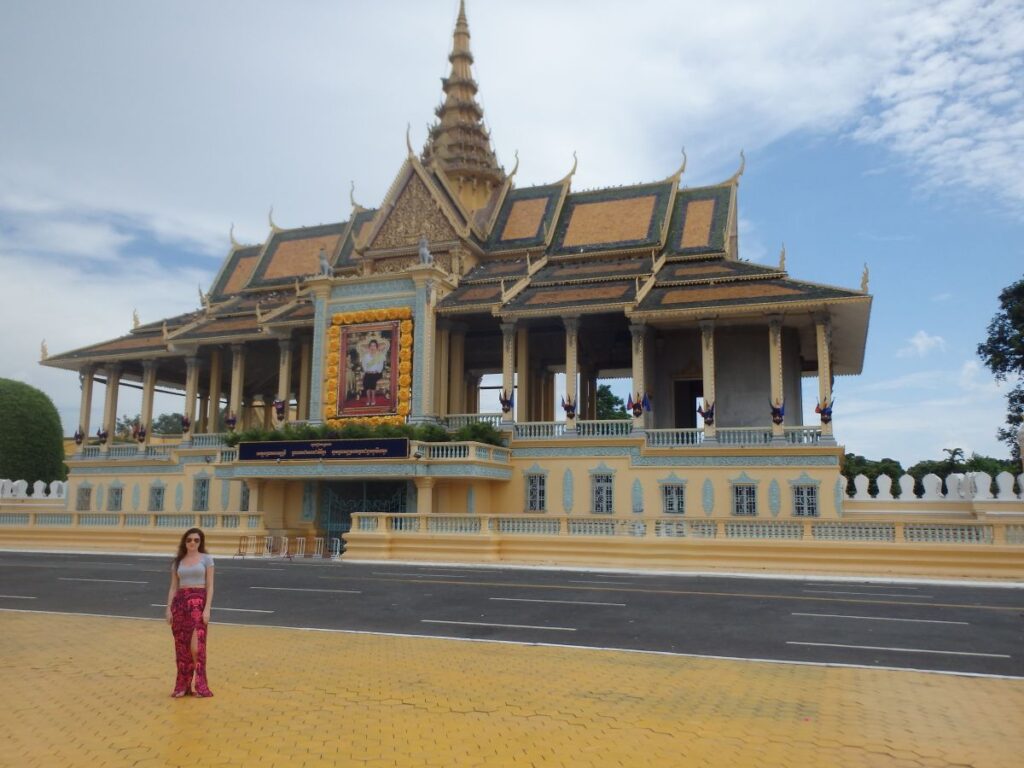
The Royal Palace was among the first sites I visited in Phnom Penh (Cambodia’s capital city). Located along the Tonle Sap River, within bright and peaceful, well-maintained gardens. You can easily spend a few hours here learning about the country’s monarchy.
The Silver Pagoda here houses the famed Emerald Buddha and a floor of thousands of solid silver tiles. Another photogenic spot is the Throne Hall, with its spires reaching toward the sky and golden details throughout. I loved walking through the open courtyards, spotting both Khmer and French influences in the manicured gardens and pavilions, and finding here one of the very few places where somehow the noise of the city manages to stay out.
Dress code
There is a dress code for visiting the palace. Shoulders and knees must be kept covered; cloth scarves cannot be used to cover them. Something light and breathable will suffice against the heat. I always carry a thin, long-sleeved shirt with me, particularly when visiting places of worship or those associated with royalty.
6. Tuol Sleng Genocide Museum

Tuol Sleng is one of the most harrowing places I’ve ever visited. The site was once a high school, later converted into Security Prison 21 (or S-21) during the Khmer Rouge regime. Walking through its rooms gives you a deeper understanding of Cambodia’s sad past and the resilience of its people.
Documentation estimates that 17,000 people were imprisoned here. Only a handful survived.
It’s one of the top dark tourism destinations in the world, and I guess, a positive side of visiting such a shocking place is that by visiting, you are contributing to the preservation of the sites, ensuring that the memories of those who suffered here are not forgotten!
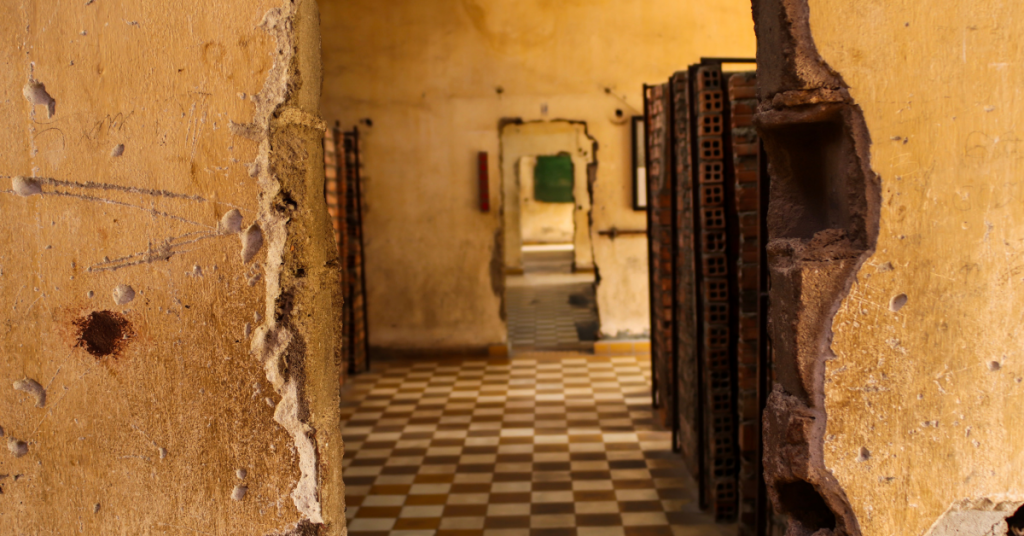
A challenging but essential visit
Classrooms, cells, and photographs of victims have been preserved in the museum. The atrocities committed from 1975 to 1979 are clearly displayed. Letters, recorded testimonies, and portraits present personal stories that put individual faces to a tragic period in history – this is what struck me most.
Yes, it’s a very emotional experience, but it also provides maximum context for understanding modern-day Cambodia.
What to expect
Expect to spend around 2 hours here. An audio guide is available and extremely useful because it allows you to tour the area at your own pace, explaining every significant spot along the way. Photos can be taken in most parts of the building, but remember to be respectful.
7. The Killing Fields of Choeung Ek

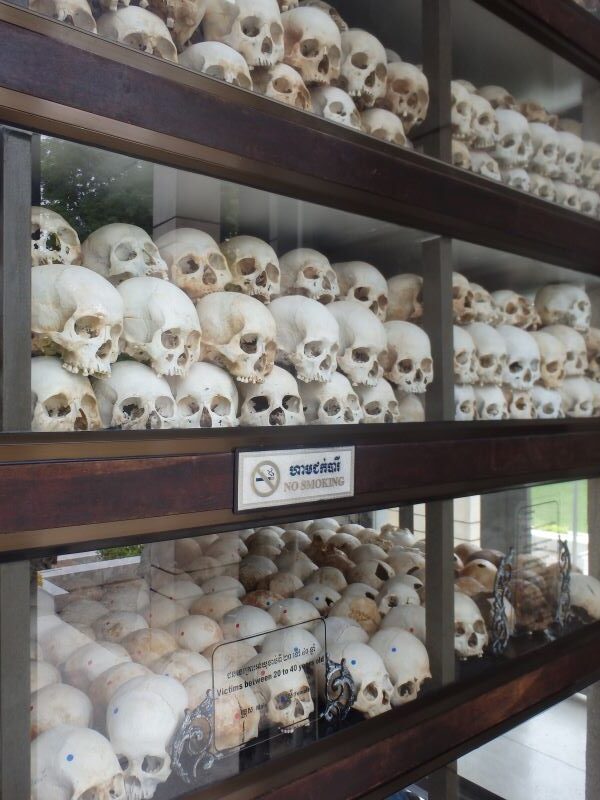
Choeung Ek (aka the Killing Fields) is a profoundly moving experience that remains with you long after you have left Cambodia. A quiet, reflective memorial just outside Phnom Penh to the thousands who lost their lives here during the Khmer Rouge rule, the place’s present peace is in stark contrast to its horrific past.

Understanding the history
There are marked mass burial graves and a central stupa filled with recovered remains. An audio guide takes you through personal testimonies and historical context for this awful place.
I found the audio guide particularly useful in that it enabled me to gain an understanding at a lower level, through individual stories rather than just the broader facts. It is a heavy experience, but it sheds light on Cambodia’s healing process through the strength of its community.
How long to spend there
Most visits last between 1.5 and 2 hours. I always advise arriving early in the morning, before it becomes too hot, allowing you to wander around at your leisure. There is limited shade, so be sure to carry water and wear a hat.
It is also worthwhile visiting Tuol Sleng on the same day as both sites perfectly complement each other and provide that missing link in Cambodia’s past.
8. Kampot & Kep
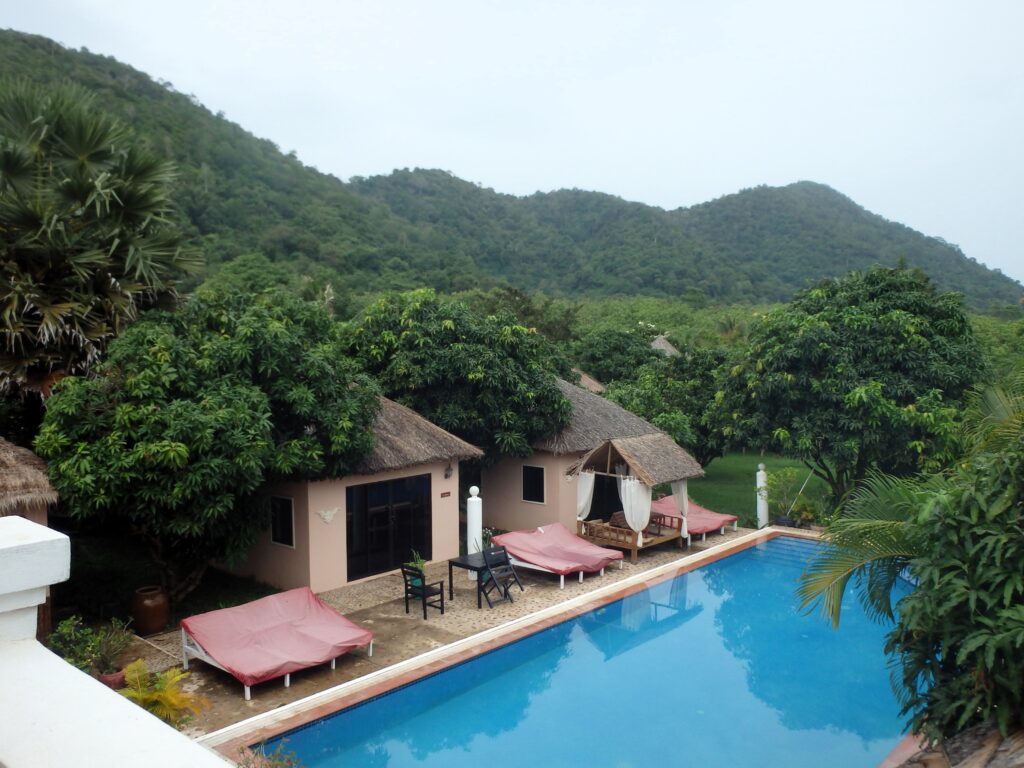
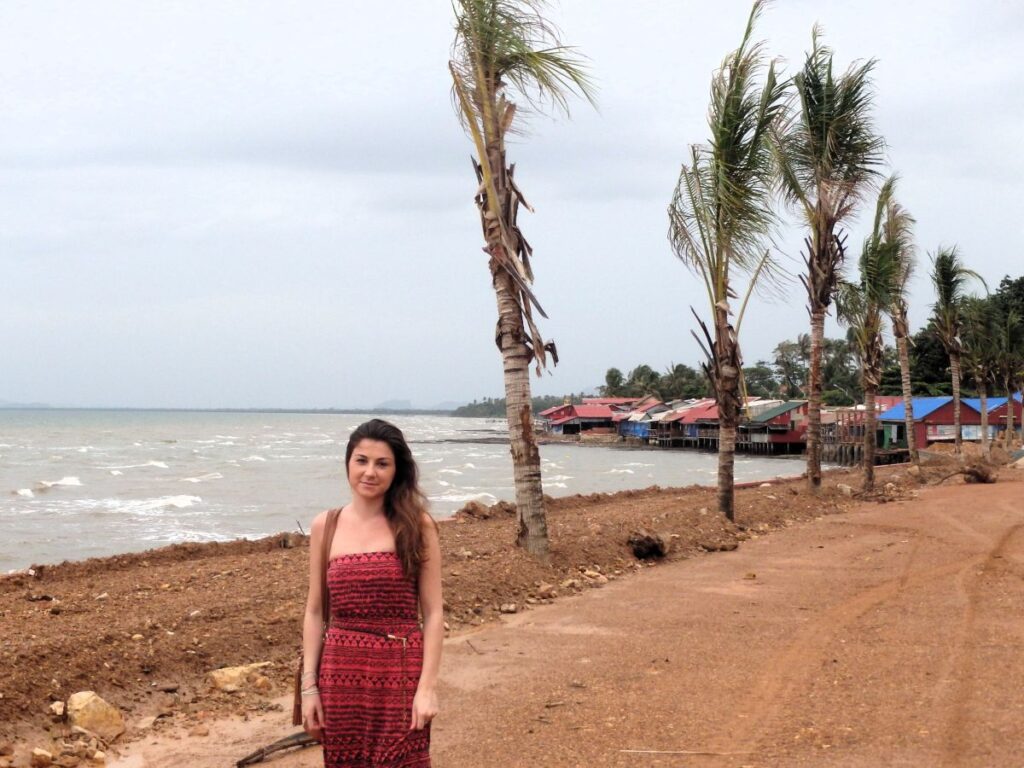
Kampot and Kep are my go-to places when I want to slow things down a little. Both towns are along the southern coast of Cambodia. Known for their calm rivers, green countryside, and some of the best food I’ve tasted in this country. Kampot has that laid-back creative energy, while Kep is a quieter, more traditional-feeling town. Perfect for a calm day at the beach or hunting down seafood.
Pepper farms
Kampot pepper is a world-renowned product and now also enjoys Protected Geographical Indication (PGI) status. That means it’s joined an elite group of products defined as special by the world community. Visiting one of the farms was a favorite experience here; learning how they cultivate, dry, and sort the vines, and then tasting batches with significantly different flavors.
Crab market
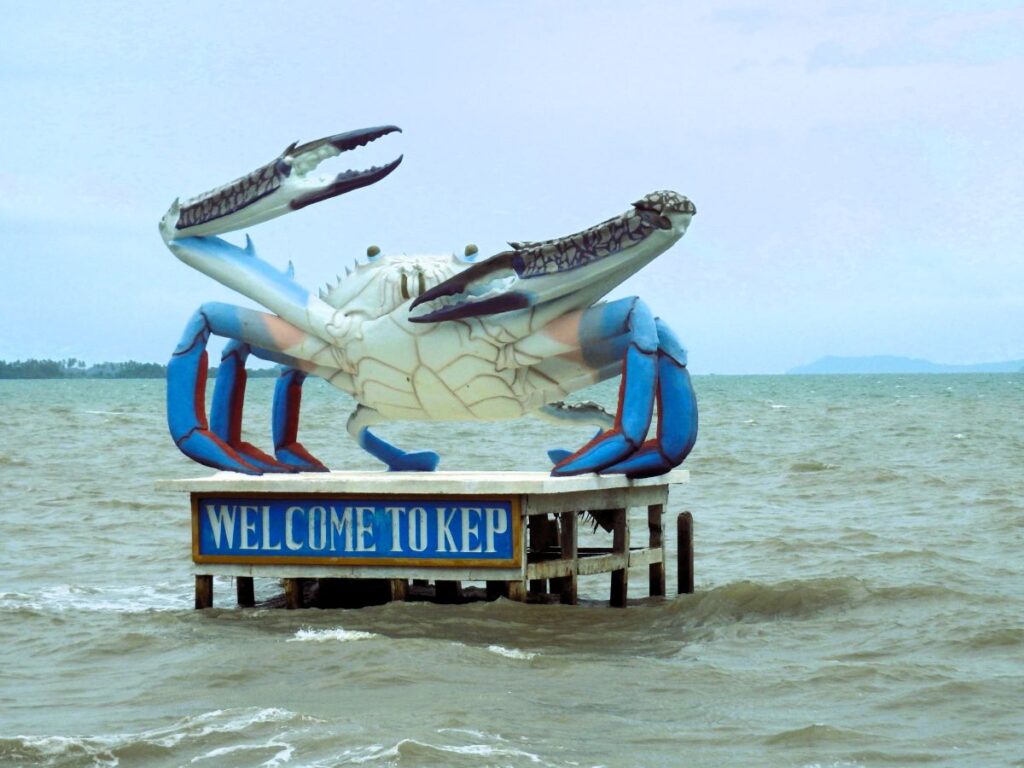
Kep’s Crab Market is the reason many people visit. Fresh blue crabs are pulled straight from the sea and cooked on the spot with Kampot pepper, a combo I still daydream about. I love going in the late afternoon, when the air cools and the market comes alive with locals bargaining, kids running around, and the smell of grilling seafood drifting along the shore.
9. Koh Rong Island
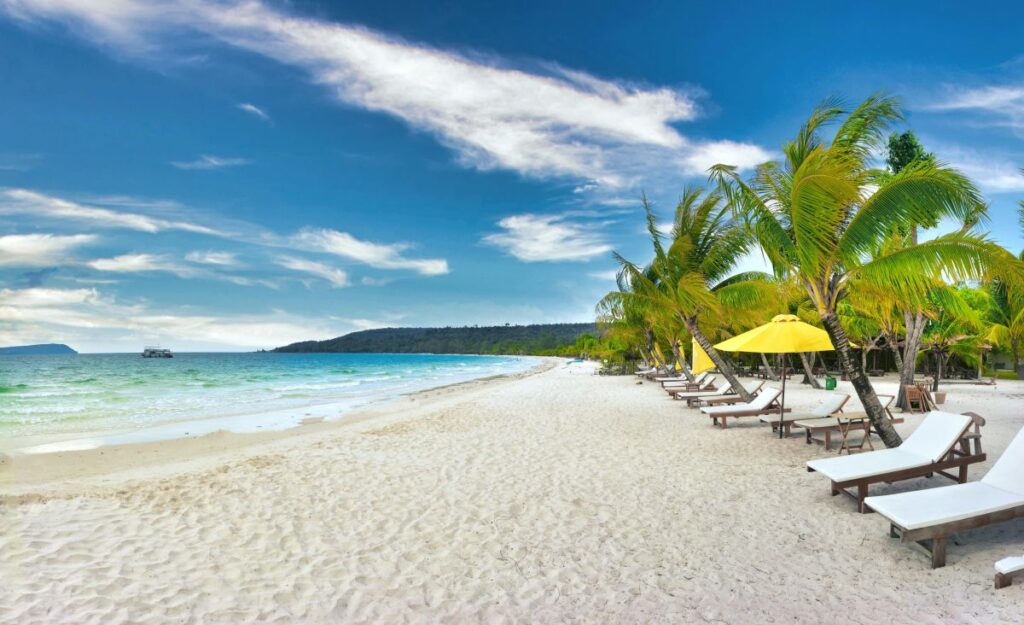
This island off Cambodia’s southern coast feels like the tropical escape everyone dreams about: clear turquoise water, powdery white sand, and long stretches of beach where you can walk for quite a distance without seeing anyone at all. Despite growing tourism, much of the island appears unspoiled, giving it a slower, more chilled-out energy.
Best beaches on the island
Sok San Beach is my personal favorite. It is wide and calm with perfect waters for swimming. Long Set Beach, also known as 4K Beach, features shallow waters and fine sand. If you’re spending a night here, look out for bioluminescent plankton on the beaches.
Where to stay
Most tourists stay around Koh Touch village for convenience, but if I’m there for more than a night or two, I prefer the quieter beaches. Sok San and Long Set both feature resorts with calm atmospheres and easy access to serene shorelines. The boats to Koh Rong depart from Sihanoukville; it’s about a forty-five-minute trip, though the schedules seem to change frequently, so having ferry updates ahead of time definitely helps.
10. Battambang Bamboo Train
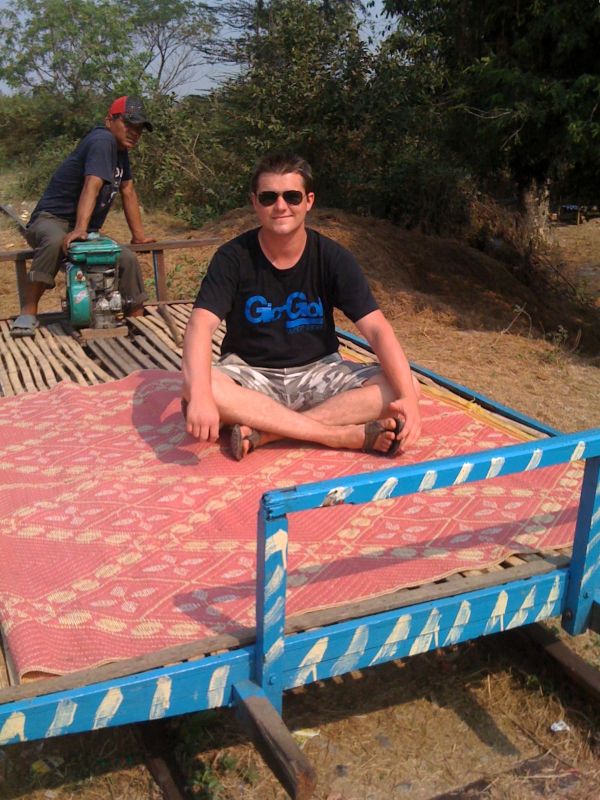
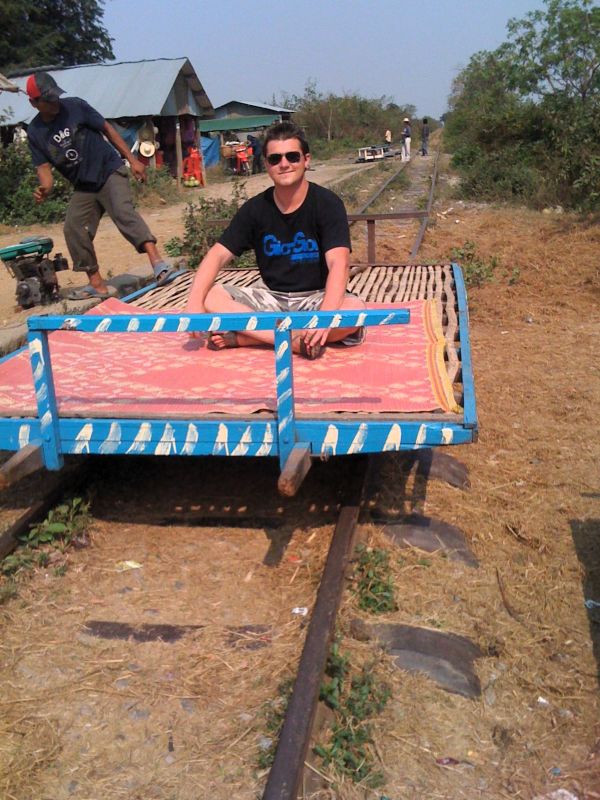
Battambang turned out to be the most unexpectedly charming stop on my Cambodia trip, and riding the so-called Bamboo Train, or norry, ranks high among the cool and fun things to do there. It is a simple wooden platform powered by a small motor sitting on old railway tracks. The ride provides an eccentric glimpse into rural life as it passes through fields and small villages at speed.
What is it?
The Bamboo Train originated as a means of transporting goods and passengers when the Cambodian rail system was barely functional, let alone operational.
Now it primarily caters to tourists, but it still carries the same spark of ingenuity that was initially conceived out of necessity. The track runs through rice paddies and small clusters of houses. Since there are no roofs or walls on the platform car itself, you have an unobstructed view from every possible angle.
Is it worth it?
I definitely think so, particularly if you’re already in Battambang. It’s only about twenty to thirty minutes each way, so it easily fits with a day spent visiting temples near Phnom Sampeau or anywhere else nearby. Try going early in the morning or late afternoon when the air cools down and soft light stretches over the green fields.
Not much of a train ride, really; more one of those slightly odd experiences offering just a tiny flash insight into how charming Cambodia’s countryside can be.
My final tips for your Cambodia adventure
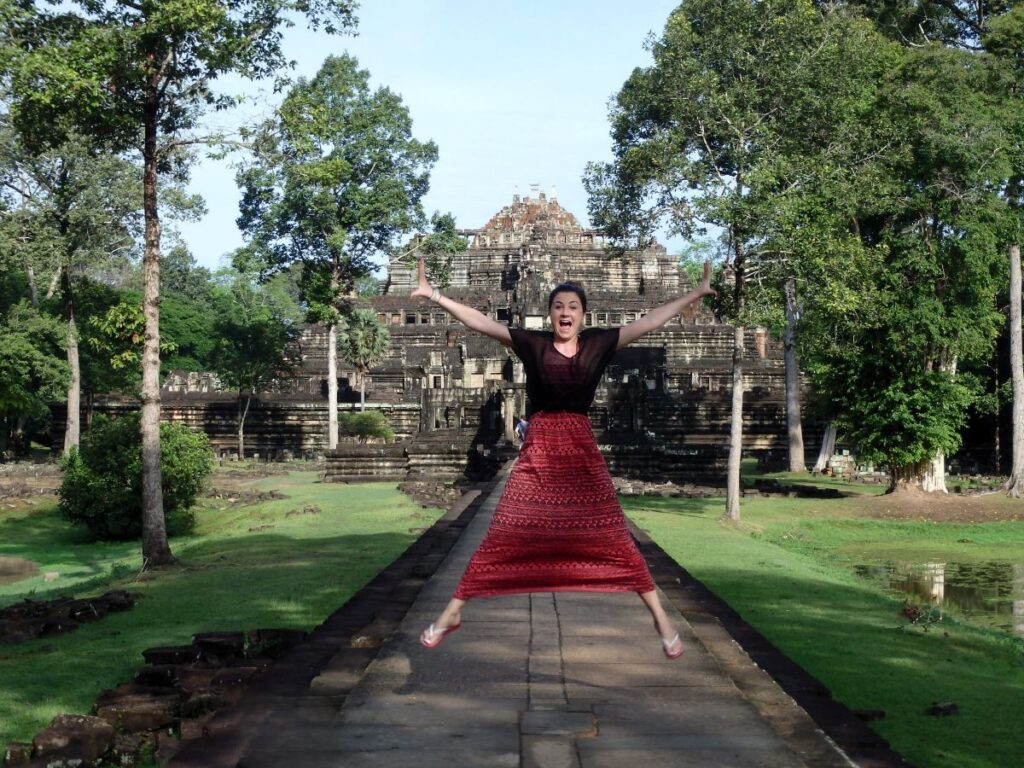
Each time I visit Cambodia, I am reminded of how much more there is to this unassuming nation than just its well-known temples. From quiet coastlines to the harrowing yet memorable sites of S-21 and the Killing Fields, every place adds a different aspect to the experience.
In short, Cambodia is a destination that will linger within you long after you have left, whether you’re looking to learn more about its ancient history, have some relaxing island time, or simply gain a deeper understanding of the country’s recent past. My final advice – take as much time as you need, wander at your own pace, and allow Cambodia to surprise you.
Booking Your Trip Soon? These are my go-to booking sites!
Below you will find a list of the sites we always use when booking our trips. By booking via the below links you can support my writing at no additional cost to you. Thanks so much!
1. Flights
I use Skyscanner or Cheapoair to find the best flights. It allows you to compare and book flights on over 500 airlines from across the globe.
2. Hotels
I use Booking.com for all of our hotel stays. And if we’re traveling on a budget, I like to use Hostelworld to book a hostel.
3. Renting a Car
We tend to always book our rental car through Discover Cars. This is a search engine for rental cars and allows you to filter by price if you’re on a budget or by vehicle type if there’s a specific car you’re after.
4. Tours
I use Viator or Get Your Guide to book any guided tours we plan on doing. I find Viator particularly good for the USA, Canada & New Zealand, and Get Your Guide is great for Europe.
5. Travel Sim Card
An eSIM is a great idea if you’re coming to a place for more than a week. As that way, you won’t need to change your number or remove the physical SIM from your phone. They are so handy and cheap, too. Obviously make sure your phone is compatible with an eSIM first. We always use Saily for our eSIM’s.
6. Airport Pick-Ups
Instead of cabs, we book with welcome pickup to get from the airport to our hotel. Why did we do that? The drivers from Welcome Pickups are English speaking and you’ll pay a flat rate. So, you know exactly how much you’re paying before hopping in.
7. Compensation for Delayed or Canceled Flights
You can easily claim compensation for a canceled or delayed flight with the website – AirHelp. You just input your flight details and some personal information, and AirHelp will handle the rest.
Last Updated on November 25, 2025 by snaphappytravel