
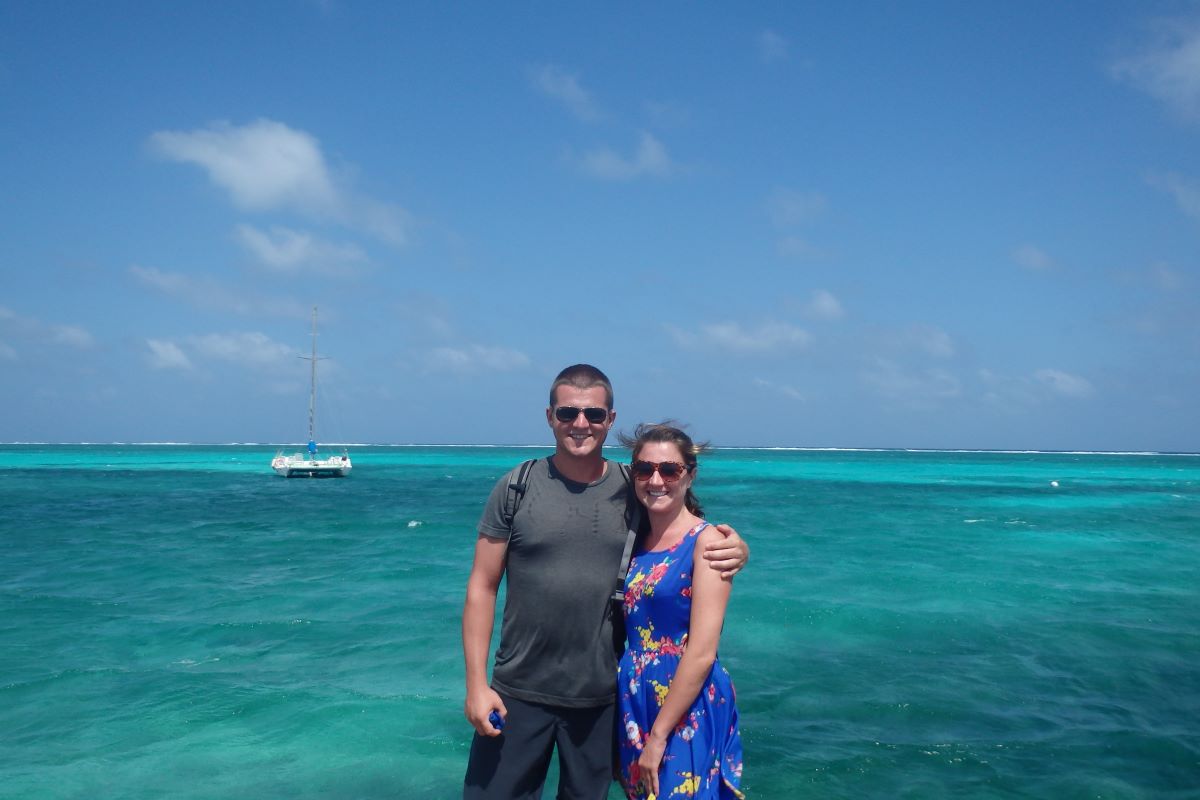
Want to know the biggest mistakes you need to avoid when you’re traveling on a budget?
Careful planning will let you stretch every dollar on your vacation, but sometimes a few slip-ups could set you back and not just empty your wallet, but completely derail your trip.
As a couple, we’ve traveled to over 50 countries together – most times on a budget. So, we know the score about how you can still have an incredible time with limited funds.
So, keep reading to find out about the mistakes we made when traveling on a budget and how you can avoid making the same mistakes we made!
1. Setting an unrealistic budget

Budget travel is about stretching every dollar, but you need to be realistic about it. People often underestimate how much essentials like flights, accommodation, food, and transportation will cost – and quickly end up blowing their budget.
They say a goal without a plan is just a dream, and that is 100% true for budgeting for a trip. You can’t just pick an amount out of thin air and hope you stick to it. You have to be realistic.
Your budget will massively depend on where you are going. For example, a two-week vacation to Europe is going to be more expensive than, say, two weeks in Vietnam.
✅ Our fix: Do your research and map out exactly how much things will cost. Then, add in some ‘fun’ money, and a buffer for surprises or any last-minute overruns.
2. Overlooking the ‘hidden’ costs
Expect to encounter lots of hidden costs when you travel. Not only do airlines, hostels, and tour operators love tacking on additional charges and surprise fees, but there are also tourist taxes, currency exchange rates, ATM fees, and a whole lot more to factor into the equation.
✅ Our fix: Read the fine print, and always check what is and isn’t included – and what will cost extra. Look into local charges, fees, taxes, and track your spending carefully as you go.
3. Jumping at the first deal you see
Think a flight or hostel package looks cheap? See that it’s a ‘limited time’ offer that you need to act fast to get? These deals are a dime a dozen and are designed to try to get you to quickly make a purchase without looking too closely or carrying out a proper comparison.
✅ Our fix: Don’t rush, check out other deals, and compare them against one another while paying close attention to the fine print. Using comparison sites like Skyscanner, Google Flights, Trivago, or Expedia can help too.
4. Eating out all the time

Sampling the local cuisine is great, and definitely an important part of the travel experience – but eating out three times a day will burn through your cash quickly. That’s doubly true when you’re eating at tourist traps, which have notoriously high markups, and often don’t taste as great as the food you’d get elsewhere anyway.
✅ Our fix: Eat at local restaurants away from tourist hotspots and at night markets or street food stalls. Apart from that, shop at grocery stores and cook in your hostel, or make sandwiches to take with you and have a picnic.
5. Relying on free public WiFi

On the surface, free public WiFi may seem like a great way to save money, especially nowadays that it’s widely available in airports, hostels, or cafes. However, these networks are unsecured, and if you use them, there is a risk that your data could be exposed and stolen.
✅ Our fix: Look into getting an eSIM that offers a cheap and budget-friendly data plan for your destination. If it is necessary to use free public WiFi, always connect via a VPN provider to encrypt your data.
6. Overpaying for transport

Transportation costs can quickly stack up, especially if you’re paying for taxis from the airport or other tourist hotspots that typically have inflated rates. Even rideshares can end up costing a lot when you’re frequently hopping on them to explore a new city.
✅ Our fix: Download offline maps and local transit apps to see what public transportation options are available. Consider walking or using bike rentals when exploring a new city, and you may even find some hidden gems.
7. Overpacking

People often overpack when they travel, and bring clothes, gadgets, or other items they don’t really need, ‘just in case’. I know I was definitely guilty of this at the start.
All that extra luggage could potentially mean extra baggage fees, and the inconvenience of hauling around stuff you don’t use will limit your transportation options, too.
I wrote this detailed guide on how to pack for a winter getaway, and you can really apply my tips to just about any trip!
✅ Our fix: Pack light and smart, with a focus on versatile clothes. Try to wear your bulkiest items on the plane, and plan to do laundry in your hostel (or a laundromat) every 4 to 5 days.
8. Making rigid plans
The more rigid your plans are, the more likely you’ll end up missing out on good deals and better rates. Without flexibility, you may not be able to take advantage of off-peak rates, last-minute deals, or even a sudden discount that happens to come up.
Our fix: Be as flexible as you can with your dates and destinations when traveling. Avoid locking yourself into any plans unless the prices offered make it worthwhile.
Not taking travel insurance
At first glance, skipping travel insurance may seem like a great way to save some money. However, if you end up losing your luggage, have your flights cancelled, or get sick – it is a decision you’ll probably regret. Thinking nothing will happen is definitely a mistake, and without travel insurance, it’s one that will end up costing you – big time.
✅ Our fix: Shop around for budget-friendly travel insurance based on your trip length and destination while paying attention to what it covers.
9. Avoiding Hostels

I was the problem on this one, as I just love a nice, comfy hotel room when I’m traveling. And so on our backpacking trip around South East Asia – we only stayed in hotels (on my demand), but we could afford to do that because hotels in countries like Vietnam and Thailand are very cheap. BUT, when we backpacked around the South of New Zealand and Australia, it was simply too expensive to book a hotel – so, hostels it was!
So, if, like me, you’re keen to avoid staying in hostels simply because it isn’t as comfortable as a private, air-conditioned room in a hotel. You may need to change your mindset – not only are hostels much cheaper, but they also usually have cooking and laundry facilities that aren’t available in hotels (or if they are, they require an extra charge). And hostels are also a great place to meet people – we met some great friends when we stayed in hostels.
✅ Our fix: Look into staying at hostels, guesthouses, or even cheap apartments. Focus on its location, security, and vibe instead of looking for comfort alone. We always use HostelWorld for booking our hostel beds.
10. Not doing any free or cheap activities

Look, we get it, most of the activities in tourist hotspots can be pretty expensive. But if you do a bit of research and head a little off the beaten path, you’ll probably find a whole lot of activities that are free – or relatively cheap.
Always remember that ‘fun’ doesn’t equal ‘expensive’, and you’ll be surprised by just how many activities you can engage in without spending a dime.
✅ Our fix: Search for free walking tours, or visit public parks, libraries, and local festivals. Check if any local museums have ‘free entry days’ and take advantage of them. Also, look at an attraction’s social media to find out about any celebrations, launch parties, or other special events that may offer special entry prices or even free entry.
11. Not haggling or haggling badly
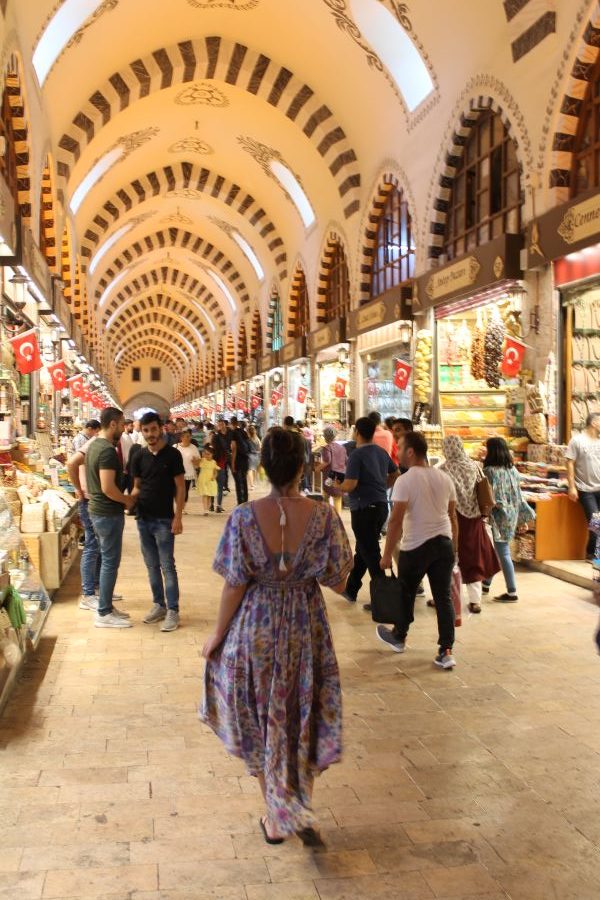
In many parts of the world, haggling is expected – especially at markets. If you don’t haggle and just pay sticker price, you’re definitely going to be overspending. On the other hand, if you haggle badly, you run the risk of burning bridges and making vendors angry.
✅ Our fix: First, find out if haggling is a common practice at your destination. If it is, smile, lower the price by 50% to 60% of asking, and work your way up from there. Sometimes walking away can be an effective strategy, too, but it could backfire.
Thanks for Reading!

Budget travel isn’t about being cheap; it’s about spending smart. In the long run, spending wisely will help you save more money than if you just with the cheapest prices.
Avoiding all the mistakes we made is a good place to start, and it should put you on the right track. Couple that with a little bit of planning and awareness, and you’ll be all set for an adventure that is both affordable and enjoyable.
You may also enjoy reading –
6 ways to save money for travel
Excuses you’re using not to travel and how to overcome them
Last Updated on November 17, 2025 by snaphappytravel