
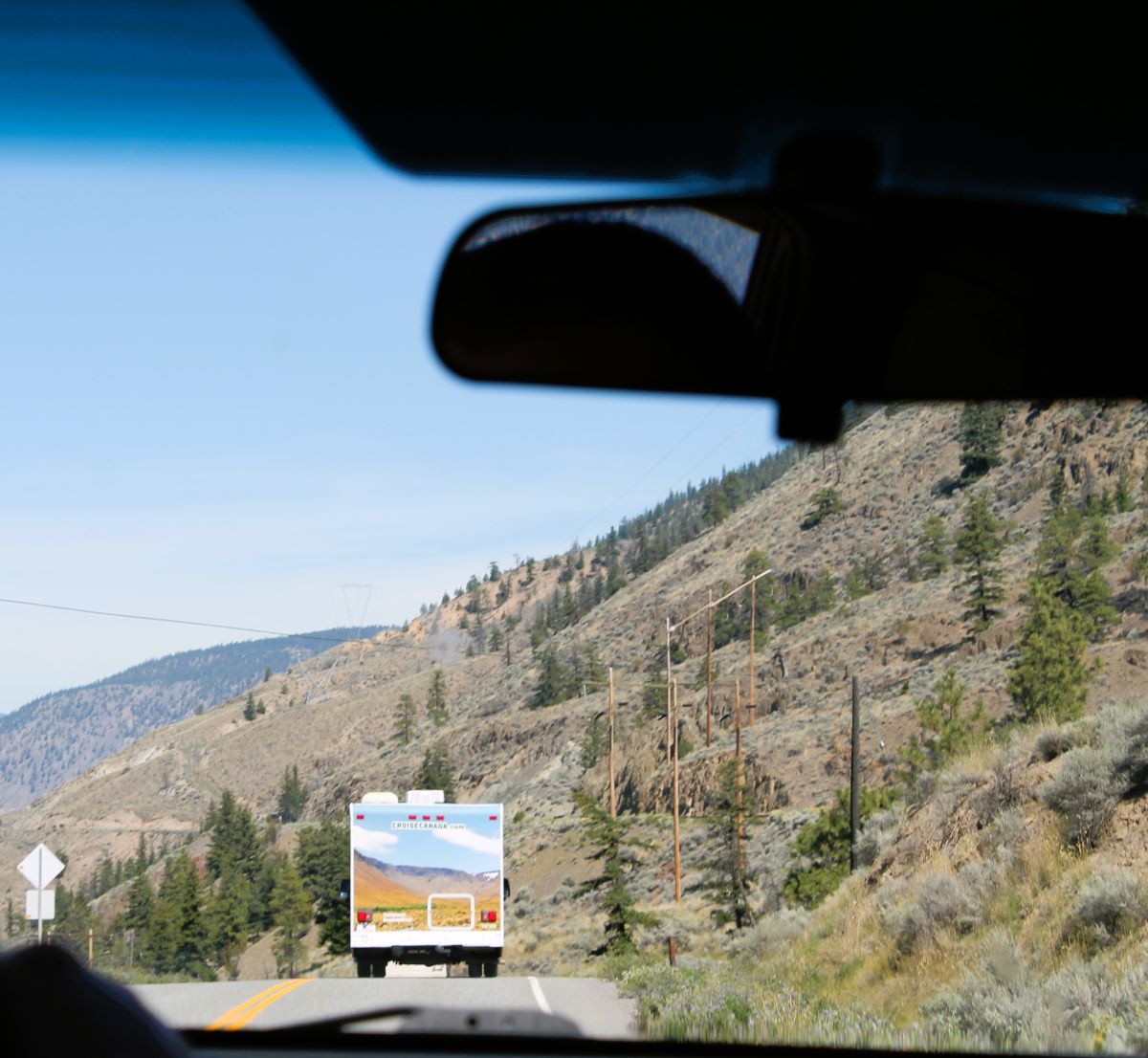
A first-timer’s guide to RV’ing in Canada: Everything you need to know for your first RV road trip in Canada, from selecting the perfect RV and planning your route to managing waste disposal.
Canada sure was made for the open road, and exploring it in a campervan/ RV is an unforgettable adventure. We recently took our first road trip through the Rockies and beyond, and we’re excited to share everything we learned.
Traveling by campervan offers all the perks of camping – starry nights by the fire, lakeside breakfasts (without the hassles of setting up a tent). Our RV was like a mini apartment with beds, a kitchen, heating, and AC, so our nightmares of freezing nights in a tent quickly faded.
Before you hit the road
One of the first things we did was sort out the essentials and pick the right RV. We were happy to learn that we didn’t need any special driver’s license – our Irish and English driver’s licenses work for renting an RV in Canada. However, if your license is written in a language other than English or French, you may need an International Driver’s Permit.
And most rental companies require drivers to be at least 21 years old, although some may have a minimum age of 25, and young driver fees may apply for those under 25. So, it’s worth keeping that in mind.
You’ll also likely need a credit card for the rental deposit and any additional fees.
Insurance and registration papers for the van are also important, as border guards may ask to see them. Check if your existing car insurance or credit card covers rental vehicles, or consider purchasing the rental company’s insurance.
There are plenty of RV rental companies in Canada. We found ours through Campstar, a handy website that lists all the campervan rental companies in Canada. We eventually chose a mid-size camper with a kitchen and bathroom – and it turned out to be perfect for us.
Our tips for driving an RV in Canada
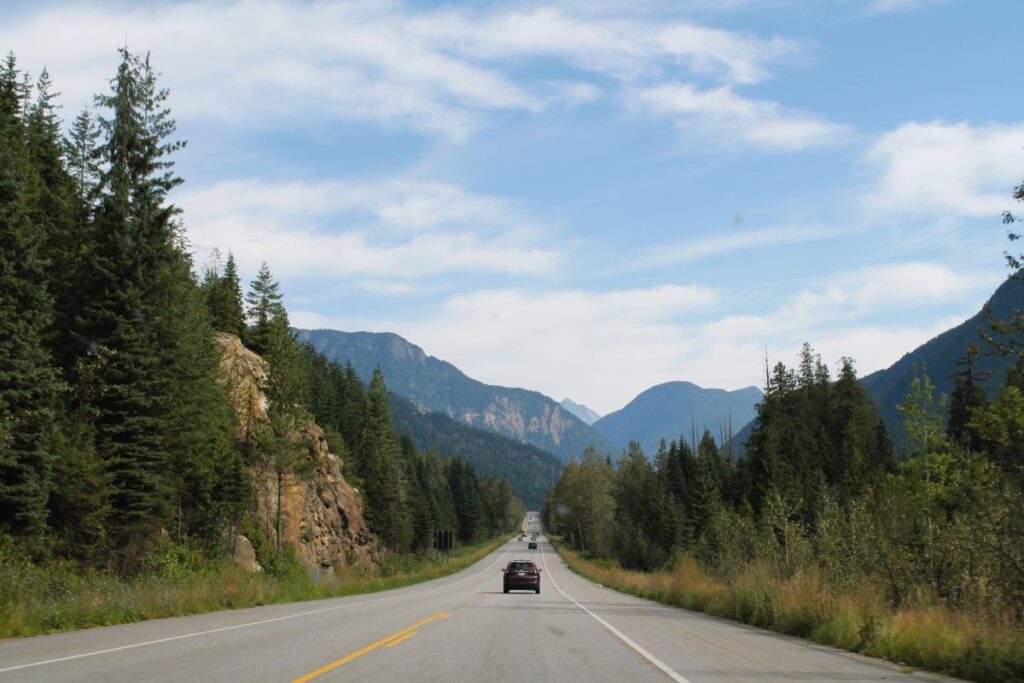
Driving in Canada is fairly straightforward, provided you follow the rules and do some advance research on your route.
In Canada, they drive on the right, and the speed limit is usually 100 km/h on highways, 50 km/h in towns. You’ll also need to stay alert for wildlife when driving through or near National Parks.
Winter tires are recommended and are actually legally required in provinces like Quebec from November to March. But your campervan rental company can sort these for you.
And of course, driving an RV is quite different from driving a car. Due to its size, it will take longer to park, and driving up hills will be slower. But, typically, all of the roads we drove on were nice and wide, and most of the (larger car parks had RV spaces. Canada really is RV-friendly.
Rest areas and scenic lookouts made for perfect coffee breaks for us, as we found driving here to be quite tiring – it’s just so scenic, so you’re literally in awe constantly and focusing on the views (and the road).
Remember: the driving distances in Canada are long – our whole trip was over 4,000 km, so pacing ourselves was key. We also planned our timing around the weather and seasons. Summer (from June to August) is peak RV season. If you want to do a road trip here in the winter, you’ll need to remember that you will likely encounter snowy and icy roads, and many roads/ campsites may be closed.
Camping and campgrounds in Canada
With our camper, campgrounds became our home here. We learned it’s best to stick to established sites. Because in Canadian national parks, for example, “RVs, campers, and tents are only allowed in designated campsites”.
Frontcountry campgrounds (easily reached by road) are awesome for beginners – they often have bathrooms, showers, electricity, and water hookups. These comforts meant we could cook in our van’s kitchen and stay cozy, even if the weather turned cold or wet. Campsite fees are very reasonable (many start around $25 – $40 CAD a night) and often include a fire pit and picnic table.
Campfires and wildlife watching were highlights of our evenings. We always used the provided fire rings and never set up camp outside the marked area. We followed park rules: packing out all trash, not feeding bears, and keeping quiet after dark. For example, Parks Canada advises campers to throw all garbage in bins, keep campsites “bare,” and respect quiet hours.
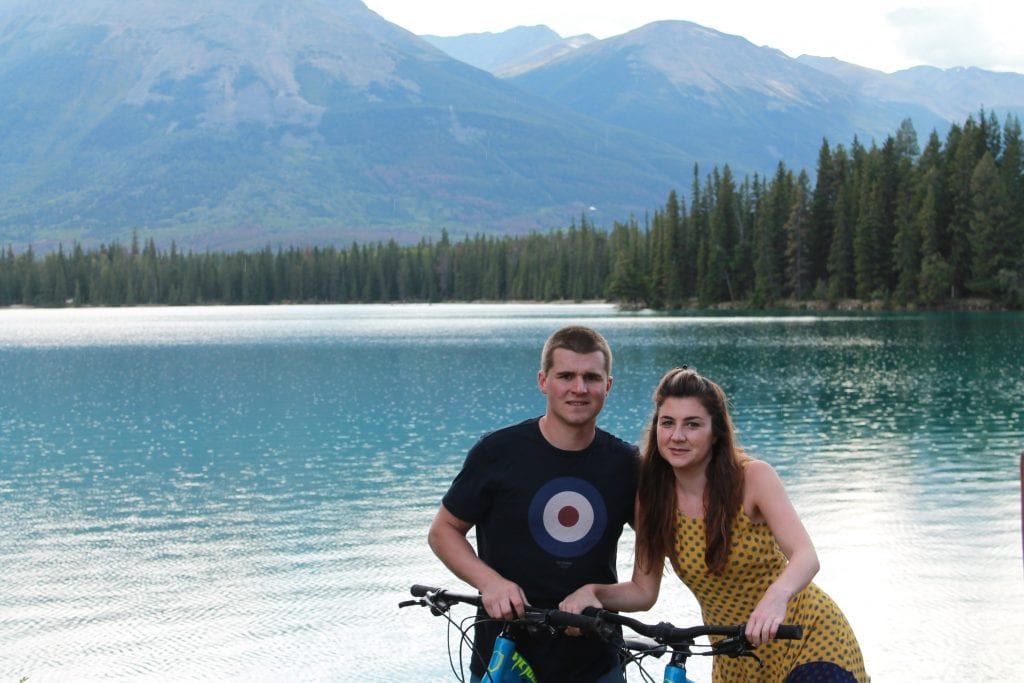
Top tips for first-time Campervan travelers
- Plan and Book Ahead – Work out your rough route and reserve campsites early, especially if you travel in summer. Booking for Parks Canada campgrounds usually opens in January, and popular parks (like Banff or Algonquin) fill up fast.
- Have the Right Documents – A regular, valid driver’s license is enough to drive an RV in Canada (no special endorsement needed). That is provided it’s written in English or French – if not, you may have to get an International Driver’s License. You’ll also need your passport and any required visa or eTA for Canada. Keep these handy at borders and campground check-ins.
- Get a Suitable RV – We found that bigger is often better (but do make note of its height and width if you plan to go on any narrow roads). An RV rated for 5 people was actually perfect for the two of us. Ensure your van has sleeping and cooking facilities. If you travel outside of summer, make sure the camper has good insulation and heating.
- Pack Smart – Bring layers (Canadian weather can change fast), sturdy shoes, and camping gear (chairs, lanterns, etc.) – that is, if you’re not coming from overseas. You can add these onto your RV reservation if needed. Carry basics like extra water, snacks, and a backup power bank. Cell coverage thins out away from cities (less than 30% of Canada’s land has service), so download offline maps or take a portable Wi-Fi device.
- Stay Campground-Safe – Always use marked campsites. In parks and most provincial areas, overnight parking outside designated sites is not allowed. Follow fire safety rules – many regions issue fire bans during dry weather. Never leave food out where bears can reach it. As Parks Canada notes, always keep campsites clean and respectful.
- Respect the Rules – Drive cautiously on forest roads, obey quiet hours, and leave no trace. Everything you bring in (garbage, recyclables) must be packed out. Also, respect speed limits and signage – this protects wildlife and other campers.
- Check Weather & Seasons – Canada’s weather is famously varied. The best window for most campervans is roughly April to October. Outside these months, many campgrounds shut down, and roads can be icy. If you do go in late fall or winter, ensure the RV has winter tires, extra blankets, and a reliable heater.
Our Canada road trip highlights:
Canada is huge, so each area has its own flavor. We’ll share a few highlights of our road trip below:
The Rockies and BC Coast:
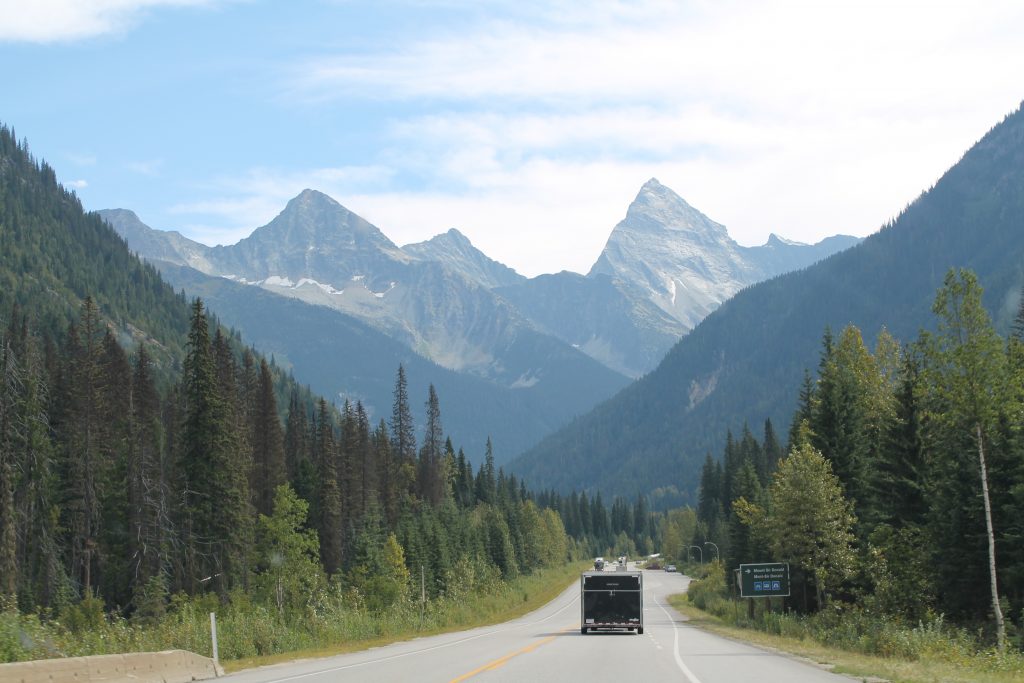
Majestic mountains, turquoise lakes, and old-growth forests. Drives like the Icefields Parkway (Banff – Jasper) and Sea-to-Sky (Vancouver – Whistler) are iconic. We saw glaciers and waterfalls around every turn – ferry rides and ocean views on Vancouver Island add a coastal twist.
My top tip: Book national park campsites months ahead.
The Prairies:
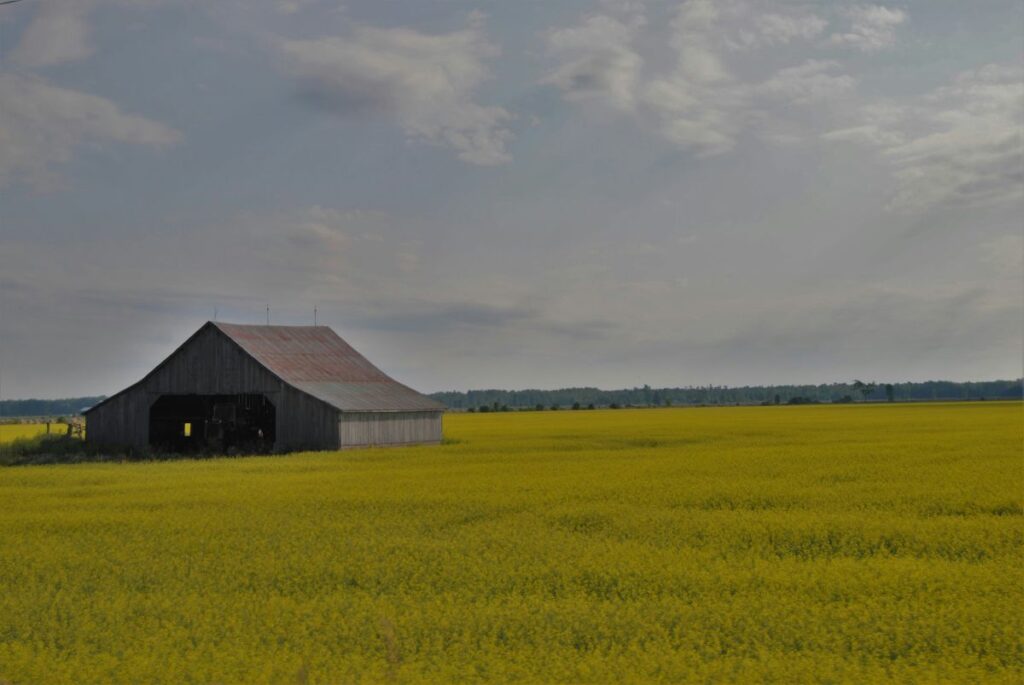
Alberta, Saskatchewan, and Manitoba have endless skies and wide-open spaces. The roads are easy, and traffic is light. You can even find free camping in Alberta’s Public Land Use Zones (with a permit). Far from city lights, the starry nights here blew us away.
Ontario and the East:
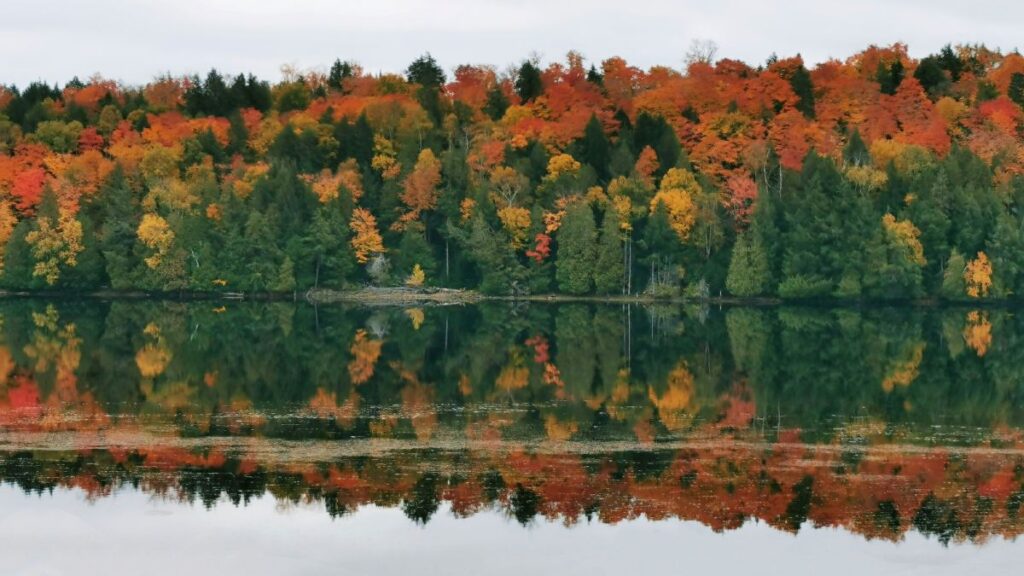
Ontario’s crown-jewel parks (Algonquin, Killarney, etc.) offer lakeside camps and canoe routes. Ontario Parks alone has over 19,000 campsites, but the busiest parks fill up fast, so plan early. Quebec and the Maritimes feature quaint villages, seafood shacks, and fall colors – just remember to watch for tolls or bridge fees if you drive there.
FAQ’s for renting a campervan in Canada

How do I empty the toilet tank?
Definitely not something I ever liked doing – my husband did this task 99% of the time – thankfully! It’s worth noting that an RV has two waste tanks – a grey water tank (water from the shower and sink) and a black water tank (from the toilet).
Some campgrounds will have a hookup for the sewage pipe, and you just leave that connected and don’t worry about emptying anything. But at the majority of campgrounds we stayed at, you have to empty the tanks at their dumping station.
There’s a control panel in your RV that tells you how full your tanks are. Typically, you would empty them every few days – no longer as when it’s full, it can weigh down the RV, and thus you’ll use more fuel.
What do I need to pack?
Most RV companies offer a variety of equipment kits that you can add onto your booking – these include things like cutlery, pots and pans, towels, duvets, etc. But these will likely be an extra charge.
Adding these to your reservation means you don’t need to bring them with you (which will be very difficult if you’re coming from overseas).
However, I did take a fleece blanket in my carry-on, and it came in handy when the nights got a little colder.
Final Thoughts

Traveling in Canada by campervan was an absolute blast. We had cozy mornings brewing coffee by misty lakes, impromptu hikes in alpine meadows, and even grilled burgers under the northern lights. A campervan truly “provides the freedom to create your own adventure”. With a bit of preparation – park passes and campsite bookings – even first-time vanlifers can hit the road with confidence.
Canada is also one of the world’s safest countries, so we felt secure wherever we parked for the night. Enjoy the ride – the memories will last a lifetime.
Before you go, here are my favorite road trips in Canada:
Booking Your Trip Soon? These are my go-to booking sites!
Below you will find a list of the sites we always use when booking our trips. By booking via the below links you can support my writing at no additional cost to you. Thanks so much!
1. Flights
I use Skyscanner or Cheapoair to find the best flights. It allows you to compare and book flights on over 500 airlines from across the globe.
2. Hotels
I use Booking.com for all of our hotel stays. And if we’re traveling on a budget, I like to use Hostelworld to book a hostel.
3. Renting a Car
We tend to always book our rental car through Discover Cars. This is a search engine for rental cars and allows you to filter by price if you’re on a budget or by vehicle type if there’s a specific car you’re after.
4. Tours
I use Viator or Get Your Guide to book any guided tours we plan on doing. I find Viator particularly good for the USA, Canada & New Zealand, and Get Your Guide is great for Europe.
5. Travel Sim Card
An eSIM is a great idea if you’re coming to a place for more than a week. As that way, you won’t need to change your number or remove the physical SIM from your phone. They are so handy and cheap, too. Obviously make sure your phone is compatible with an eSIM first. We always use Saily for our eSIM’s.
6. Airport Pick-Ups
Instead of cabs, we book with welcome pickup to get from the airport to our hotel. Why did we do that? The drivers from Welcome Pickups are English speaking and you’ll pay a flat rate. So, you know exactly how much you’re paying before hopping in.
7. Compensation for Delayed or Canceled Flights
You can easily claim compensation for a canceled or delayed flight with the website – AirHelp. You just input your flight details and some personal information, and AirHelp will handle the rest.
Last Updated on December 2, 2025 by snaphappytravel