
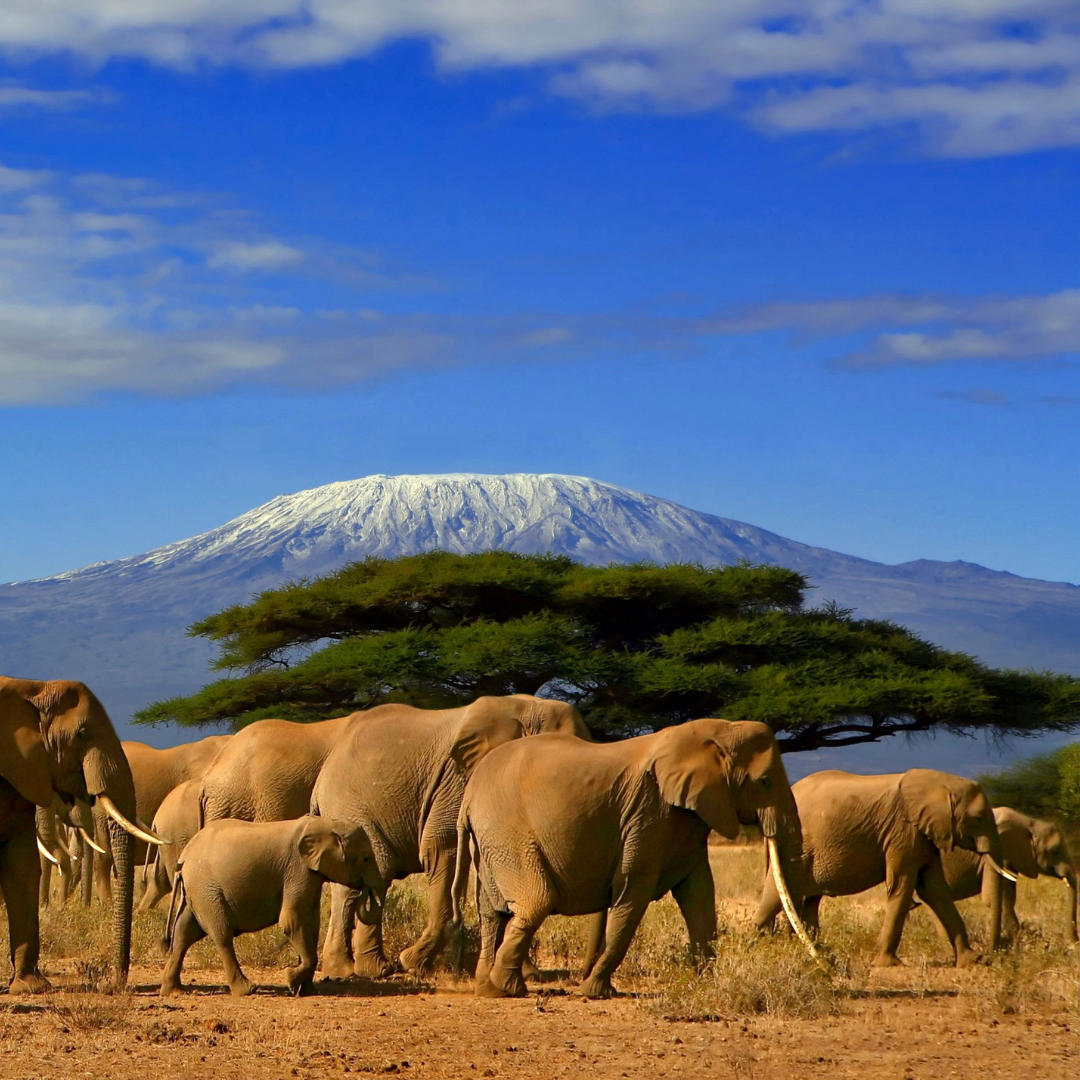
Successfully climbing Mt Kilimanjaro is considered the ultimate accomplishment for many hikers and athletes across the world. But, climbing Africa’s tallest mountain is no mean feat; in fact, this bucket-list-worthy hike has a 50% fail rate! So, it takes a lot of knowledge and a high level of fitness to climb Kilimanjaro!
In this blog post, I detail how to get to Mount Kilimanjaro, explain all the different climbing routes as well as provide detailed information for your ascent up Africa’s tallest mountain.
We’ve put a lot of research into putting this together, so think of it as the ultimate guide for beginners climbing Mount Kilimanjaro!
Where is Mt. Kilimanjaro?
Mount Kilimanjaro is also known as the “roof of Africa”. It is located in North-Eastern Tanzania, near the town of Moshi on the continent of Africa. It is the world’s tallest freestanding mountain. That is because it is not part of a mountain range like Mount Everest, which is part of the Himalayan mountain range.
Mount Kilimanjaro is not just a mountain but is, in fact, a stratovolcano ( a large volcano made of volcanic ash and rock). It has three cones – Kibo, Mawenzi, and Shira. And you can climb them all – although Kibo is the most popular.
Your best option to get here is to fly into Kilimanjaro International Airport, a small-ish airport that welcomes flights from many places across the world (including the Netherlands, Sweden, Turkey, and Kenya). Alternatively, if coming from elsewhere in Tanzania, we recommend booking a transfer, as you will have lots of gear with you!
Top Travel Tip: This 5-night 6-day guided climb via the Marangu Route is one of the best guided tours available up Kilimanjaro! It costs from $2,600 USD per person.
How hard is it to climb Kilimanjaro?
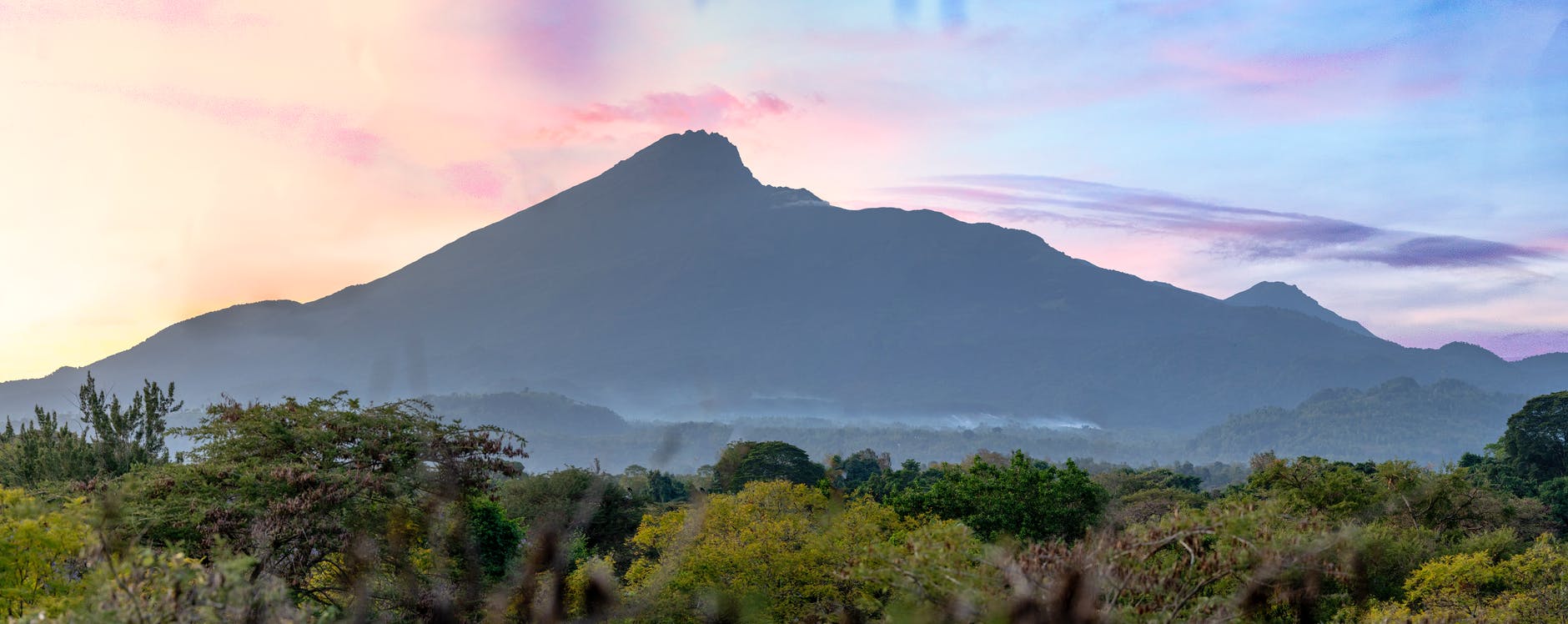
Mount Kilimanjaro is a demanding climb – and would you believe that only around half of hikers who begin the grueling trek make it to the summit? It’s steep (you’ll be climbing to 19,334 feet above sea level), but it’s a non-technical climb, which means that if you consider yourself to have a good level of fitness, then you should make it to the top.
Mount Kilimanjaro is widely considered the easiest of the Seven Summits to climb, and as a result, it has been nicknamed “Everyman’s Everest”. As I said, it’s a non-technical climb, so you don’t need climbing ropes or specialist mountain gear. You don’t even need previous mountain climbing experience. You just need to be serious about completing the climb and be prepared to hike several hours per day.
Handily, too, you will have porters on hand to carry your camping equipment and food.
Also, Mount Kilimanjaro is easier to access than the majority of the other Seven Summits. Firstly, regular flights from Europe and elsewhere operate frequently into Kilimanjaro Airport. As well as that, there are great hotels and equipment hire stores surrounding Kilimanjaro.
BOOK your stay near Mt Kilimanjaro here!
Climbing Mount Kilimanjaro’s Highest peak (Kibo)
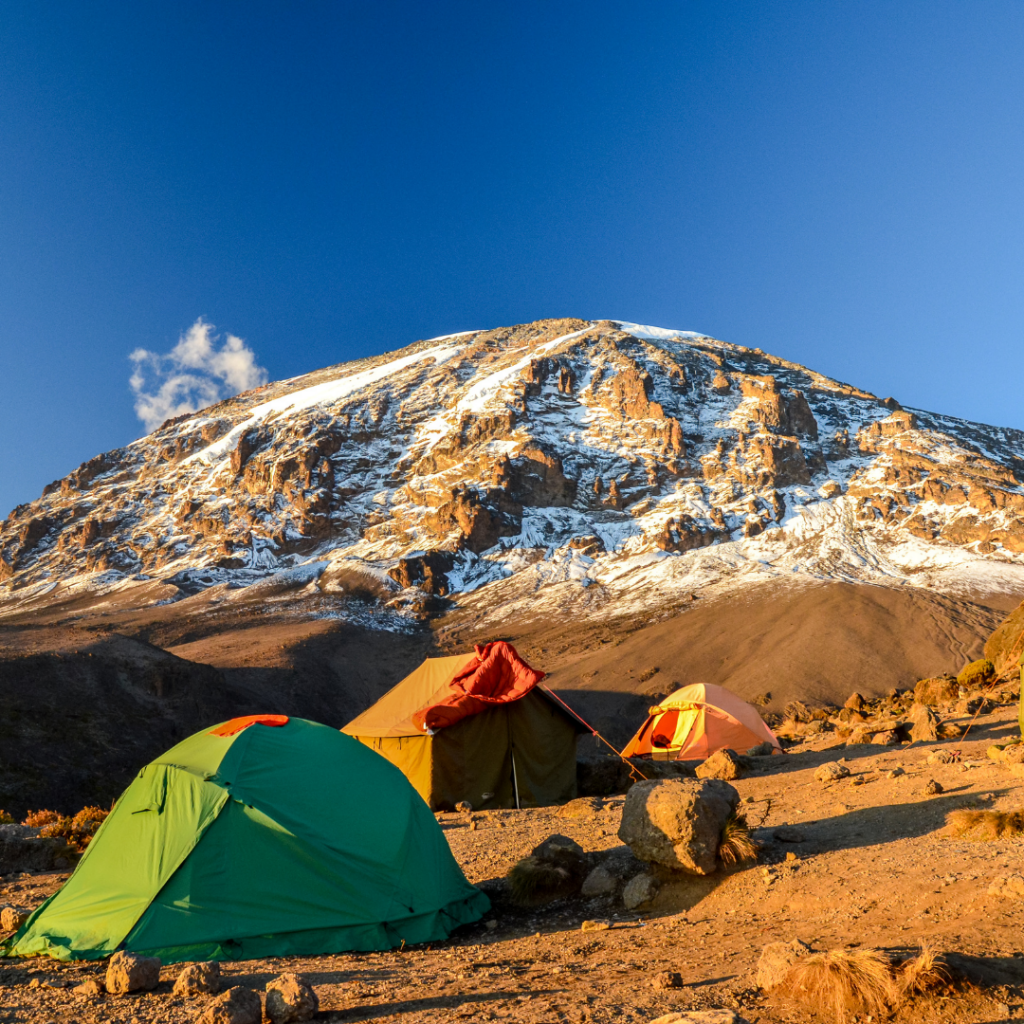
Kibo is the summit of Mount Kilimanjaro with a height of 5,893 meters (19,334 feet). It is classed as a dormant volcano, with scientists estimating it last erupted approximately 360,000 years ago. The last volcanic activity on Kibo was recorded just over 200 years ago.
Kilimanjaro has six climbing routes to the summit: Marangu Route, Machame Route, Rongai Route, Lemosho Route, Mweka Route, and the new Northern Circuit route.
Marangu route
The Marangu route is considered the easiest route to the summit and, as a result, is the most popular. It is so popular that it has been nicknamed the “Coca Cola route” or “tourist route”. Marangu is accessed from the southeastern side of the mountain.
It is considered easy due to its gradual uphill climb. Its popularity can also be owed to the fact it offers sleeping huts with dorm-style beds instead of camping. There are three camps on this route – Mandara at 2700 meters, Kibo at 4,730 meters, and the largest Horombo at 4703 meters.
If you’re limited on time, you can do a one-day guided hike to Mandara Hut, the tour departs from Arusha. It costs $600 USD per person.
Downsides to this route:
The short duration of the Marangu route – it can be completed in five or six days- means that acclimatization can be a problem for many hikers of this route. On Mount Kilimanjaro, oxygen depletes significantly after 10,000 feet; thus, you need to give your body extra time to adapt to the oxygen deprivation it is experiencing.
The longer you spend in high-altitude areas, the more red blood cells your body can create. As a result, most itineraries allow an extra day on the Marangu route for your body to acclimatize. The extra day extends the duration to six days (which is exactly what the tour I’ve recommended below does!)
Another negative is that Marangu is not as scenic as the other routes because the ascent and descent are on the same track.
However, if you’re after a kind of luxury hiking experience, this is your best bet as you’ll stay in huts along the way. On all the other routes, you’ll need to sleep in a tent!
Best Guided Tour up the Marangu Route: This 5-night 6-day guided climb via the Marangu Route, includes absolutely everything and is a highly-recommended and safe tour! It costs from $2,610 USD per person.
Machame route
If reaching the summit is your main objective, then the Machame route offers the highest success rate. It is a seven-day trek, meaning it’s great for acclimatization because you walk high and sleep low daily. Another bonus is that the scenery on this route is stunning.
Camps on this route include – Machame (2,580 meters); Shira (3,840 meters); Barranco (3,950 meters); Karanga Valley (3,995 meters); Barafu (4,550 meters), and Millennium (2,800 meters).
The Machame route is accessed from the South, a short drive from Moshi will bring you to the Machame gate.
Top Guided Tour up the Machame Route: This 6-day climbing tour via the Machame Route is very reasonably priced and includes an experienced guide and all transport but you do need to have your own climbing gear. It costs from $2,400 USD per person.
Rongai route
The Rongai route offers a more wild climbing experience as it is a less-traveled route to the summit. It is unique because it offers a different perspective of Mount Kilimanjaro by approaching it from the North. This route is, in fact, the shortest route to the summit, but a seven-day trek is still advised to allow for acclimatization.
Camps on this route include – Rongai Cave (2,620 meters); Kikelewa (3,600 meters); Mawenzi Tarn (4,300 meters); Kibo Hut (4,700 meters), and Horombo Hut (3,720 meters).
Access to the Rongai route is on the North Eastern side, along the border of Tanzania and Kenya.
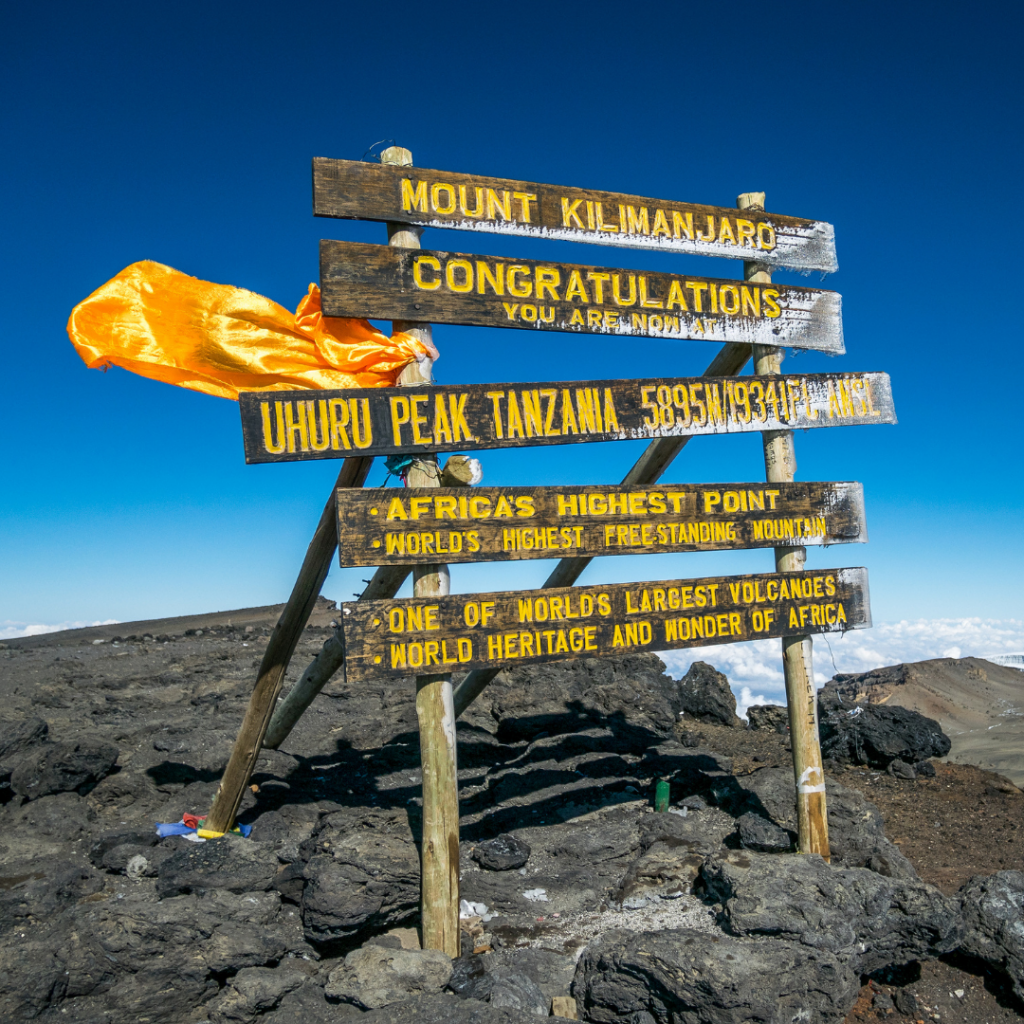
Lemosho route
It is advisable to allow eight days to complete this route to allow for acclimatization. The Lemosho route is considered the most beautiful, with gorgeous views of the western breach of the mountain. It’s also a popular route with beginners.
Camps on this route include – Mti Mkubwa (2,820 meters); Shira 1 (3,500 meters); Moir Hut (4,200 meters); Barranco (3,900 meters); Karanga (3,960 meters); Barafu (4,680 meters,) and Mweka (3,100 meters).
Best Guided Tour via the Lemosho Route: This 8-day Lemosho climb is very popular with beginners and because it’s longer than the others it allows for better acclimatization! And it costs $3,450 USD per person.
Umbwe route
This is a descent-only route and is used when descending from Lemosho, Machame, Umbwe, or Shira ascent routes. These routes are linked to the Umbwe Route by the high-level traverse beneath the Southern Icefields, the Kibo South Circuit.
Northern Circuit
The longest and the newest route on Mount Kilimanjaro, the Northern Circuit, allows the most acclimatization time. Currently, a very limited number of travelers have set foot on this trail.
The route approaches Mount Kilimanjaro from the west, beginning with a long drive from Moshi to Londorossi Gate. It follows the Lemosho route for the first few days.
Camps on this route include – Mti Mkubwa (2,820 meters); Shira 1 (3,500 meters); Shira 2 (399 meters); Lava Tower (4,640 meters); Moir Hut (4,200 meters); Buffalo Camp (4,000 meters); Third Cave (3,930 meters); School Hut (4,800 meters), and Mweka Camp (3,110 meters).
Climbing Kilimanjaro’s Mawenzi peak
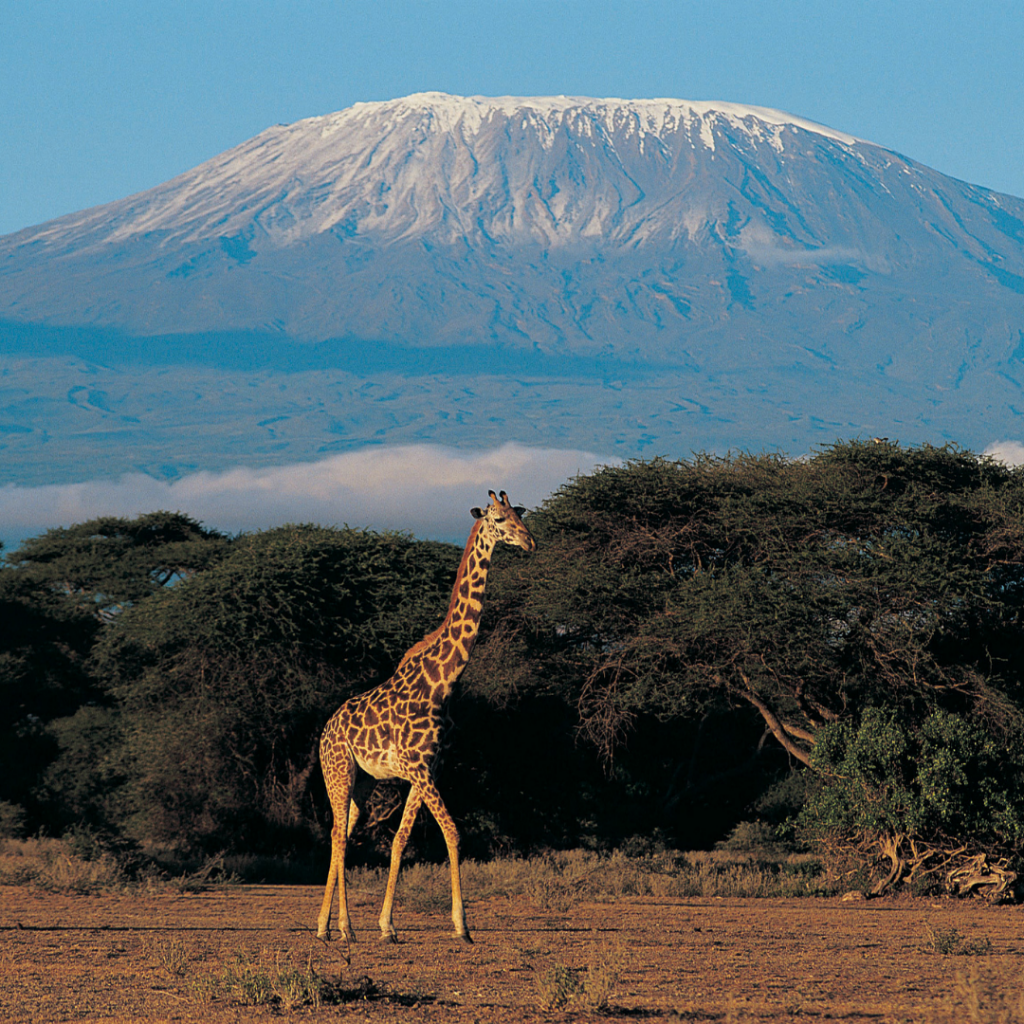
Mawenzi is classed as an extinct volcano. It is the third-highest peak in Africa (after Kibo and Mount Kenya), it stands at 5149 meters or 16,890 feet.
The rugged terrain of Mawenzi Peak means that most of its seven peaks can only be reached by technical roped ascents.
There are three routes to climb Mawenzi Peak; these are listed as follows:
- Rongai route down Marangu gate
- Marangu route via Zebra Rock down Marangu gate
- Machame, Lemosho, and Londorosi routes via the Northern circuit down Mweka gate.
Climbing Kilimanjaro’s Shira Peak
Like Mawenzi, Shira is classed as extinct. It is the smallest of Mount Kilimanjaro’s three cones, measuring 3,962 meters or 13,000 feet.
Between Shira and Kibo is the Shira Plateau, which is a 6,200-hectare collapsed crater, which was formed by lava eruptions which over time solidified and turned to the rock you see there today.
Some of the main summits on Shira include Johnsell Point at 3,962 meters, Klute Peak on Shira Ridge at 3,920 meters, the Cone at 3,840 meters, and Shira Cathedral at 3,720 meters.
Climbing Mount Kilimanjaro: Elevation Gain on each route
The table below shows the maximum and minimum ascent you will climb each day; the elevation gain per day, as well as the total distance covered. It also highlights the height above sea level that which each trek begins.
| Route name | Max./min. ascent distance per day | Elevation gain max./min. per day | Distance covered in total | Height above sea level at which trek begins |
| Marangu route | 8km – 12km | 878 – 1192 meters | 70km | 1870 meters |
| Machame route | 5km – 30km | 701 – 1189 meters | 62km | 1490 meters |
| Rongai route | 6km – 9km | 400 – 1194 meters | 72km | 1950 meters |
| Lemosho route | 4.3km – 18.1km | 450 – 1244 meters | 67km | 2360 meters |
| Umbwe route | 4km – 11km | 1075 – 1299 meters | 53km | 2940 meters |
| Northern Circuit route | 5km – 14km | 340 – 1000 meters | 79km | 2360 meters |
Start Level of all routes on Mt Kilimanjaro
The height at which all routes begin are as follows:
- Marangu Route begins at Marangu Gate, which is 1,870 meters above sea level
- Machame Route starts at Machame Gate (1,490 meters)
- Rongai Route begins 70km from Marangu Gate at the Rongai Start Point (1,950 meters)
- Lemosho Route starts at Londorossi Gate at an altitude of 2,360 meters
- Mweka Route begins at Umbwe Camp at 2,940 meters
- Northern Circuit route follows the Lemosho route for the first few days, so it begins at Londorossi Gate (2,360 meters)
📖 Related Read: You may also enjoy my review of the Poon Hill Trek in Nepal!
FAQs about climbing Mount Kilimanjaro for the first time
1. Do I need travel insurance to climb Mount Kilimanjaro?
Yes, you will need travel insurance to climb Kilimanjaro; in fact, all tour operators will ask you for your travel insurance policy number before booking you on the climb.
This is how we find the best travel insurance for our trip. It’s a search engine for travel insurance companies, so you can find the best travel insurance for your trip. On their site, you can compare the plans side by side so you can get the best insurance for your particular trip!
As I always say, no trip is the same, so your travel insurance shouldn’t be either!
2. Will I get altitude sickness?
Yes, it is highly likely you will suffer from altitude sickness during your Kilimanjaro climb. In fact, over 75% of hikers suffer from altitude sickness. But, this will usually happen later in the climb – i.e. when you get to over 9,000 feet above sea level!
If you’ve never visited a high-altitude destination before, you won’t know how your body will react to the rare thin air. Hence, it’s best to be prepared that you may find breathing more difficult as places of high altitude have less oxygen in the air.
The symptoms of altitude sickness range from nausea, headache, dizziness, and tiredness. Limit your chances of suffering from altitude sickness by avoiding alcohol and cigarettes and drinking plenty of water until your body has adjusted!
3. What month is best to climb Kilimanjaro?
If you’re a newbie to climbing Mt Kilimanjaro, then your best bet is to visit during the hot, dry months between December and March. Or from late June to October. However, these are also the busiest times to climb Mt Kilimanjaro, so keep that in mind when booking your tour, as it will sell out quickly.
4. Is Mount Kilimanjaro the tallest mountain in the world?
Kilimanjaro is the highest peak on the continent of Africa and is the highest freestanding mountain in the world.
The title of the world’s highest mountain goes to Mount Everest at 8,848 meters (24,032 feet). The second-tallest mountain in the world is K2, located on the border of Pakistan and China at 8,611 meters. Whilst the third highest is Kangchenjunga on the Nepal/India border at 8,586 meters. All three highest mountains in the world are part of a group of mountains called the eight-thousanders.
The official height of Mount Kilimanjaro has, in fact, changed several times over the years. The most recent measurement states that Mount Kilimanjaro stands at 5,893 meters (19,334 feet), and that is according to the United Nations Environment Programme/World Conservation Monitoring Center.
5. What is the history of Mt. Kilimanjaro?
Mount Kilimanjaro is estimated to have been formed over 1 million years ago. It was formed as a result of active continental rifting in the Eastern African Rift Valley. In the valley, the thinning lithosphere (otherwise known as the rocky outer layer of the Earth) created fractures, and molten lava began to burst through these fractures. In the beginning, the lava was thin, allowing a gently sloping base to be formed.
Over time, the lava became thicker and stronger and first formed the Shira cone, followed by Mawenzi, and finally Kibo.
What should I pack to climb Mount Kilimanjaro?
To be successful in climbing Mount Kilimanjaro, you need to be prepared, and the best way you can do this before getting there is by packing the right equipment. Below you’ll find my essential list of things to pack for ascending Kilimanjaro –
- A comfortable backpack to carry your everyday items – you will need to carry this the whole way, so comfort is key. I used this Alpine Light backpack, it has customizable straps, padded shoulder straps and is overall very comfortable to carry.
- A duffel bag – this is for your stuff that you’ll only be using when you get to a basecamp. Your porter will carry this. I had this Base Camp Large Duffel from Northface.
- A winter sleeping bag – temperatures at night tend to get below freezing, so you will need a suitable winter sleeping bag to ensure you’re cozy and get your rest. You will need it! I had this Marmot down sleeping bag that’s suitable for temperatures below -10 Celsius. It was perfect!
- A heavyweight winter jacket is essential. I had this ArcTeryx insulated, lightweight jacket and found it brilliant as it’s wind-resistant and packable.
- Trekking poles like these Black Diamond Explorer Trekking poles are recommended although not essential. I found them very helpful, though.
- I also highly advise waterproof hiking boots for the climb, these boots from ArcTeryx are brilliantly rated and they’re made from super material GORETEX.
Thanks for reading my blog!
What did you think about my beginner’s guide to climbing Mount Kilimanjaro? I’d love to read your thoughts in the comment section below.
P.S. I’ve loads of other Africa blog posts including –
Gorilla trekking in Bwindi Impenetrable Forest Uganda
Going on safari in the Serengeti
Why you should visit Amboseli National Park,
Dining at The Rock Restaurant on Zanzibar
PIN THIS TO PINTEREST!
Last Updated on October 16, 2025 by snaphappytravel